Four hotels where gluten-free food is not a special request
From "we have options" to a hotel whose entire kitchen is gluten-free. Four places whose own website says something measurable, and exactly what to ask before you book.
For a coeliac, the gap between "we can adapt" and a dedicated kitchen is the gap between a relaxed holiday and a week of worry. We picked four hotels that state gluten-free catering explicitly on their own sites, ordered them by how far the kitchen is actually separated, and set out what still has to be confirmed before booking.
Photo by Div / Unsplash
In short
The Hotel Monroe, Monroe: the whole property certified 100% gluten-free by the GFFP.
Filha da Lua Ecolodge, Pipa: one kitchen, free of gluten and lactose, by the house’s own definition.
Hotel Petrus, Bruneck: states a structured approach to gluten-free food inside an ordinary Alpine hotel.
The essential difference is not how many dishes are on the menu, but whether there is a dedicated kitchen or area, or the dish is prepared where flour is.
A statement on a website is not a promise for your dates. Ask for confirmation in writing before booking.
The four at a glance
The four at a glance
Hotel
Destination
What the official site states
Kitchen separation
Best suited to
The Hotel Monroe
Monroe, Louisiana
GFFP certified: the whole property 100% gluten-free
Certification of the entire property
A coeliac who wants to stop asking
Filha da Lua Ecolodge
Pipa, Brazil
Dishes "totally free of gluten & lactose"
One kitchen, no gluten and no lactose
A beach, and anyone avoiding lactose too
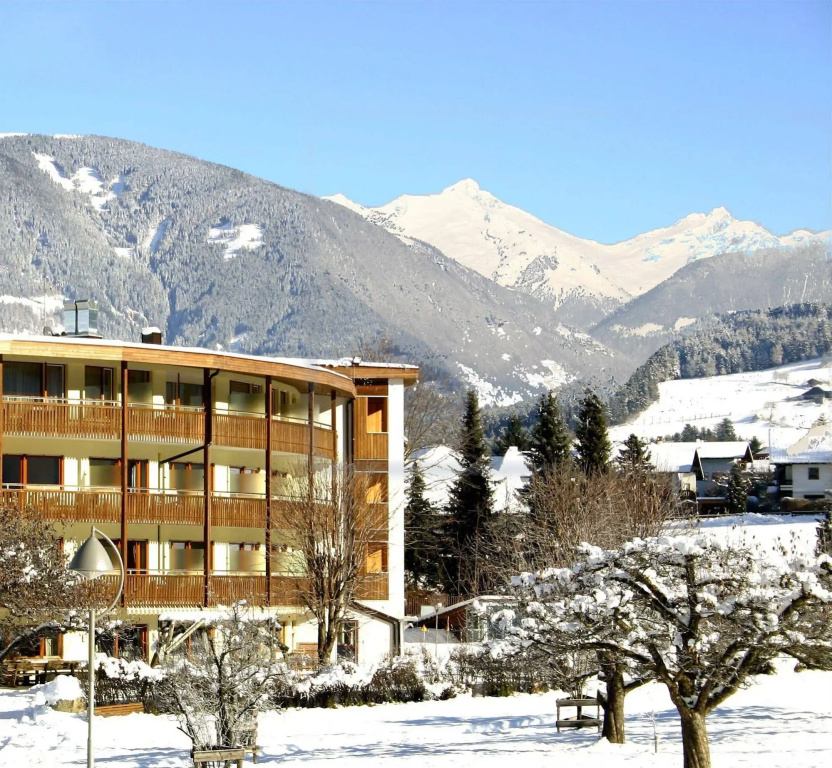
Hotel Petrus
Brunico, South Tyrol
Own oven, freezer and store since 2002
Separation inside a wider kitchen
A mountain holiday with real Tyrolean food
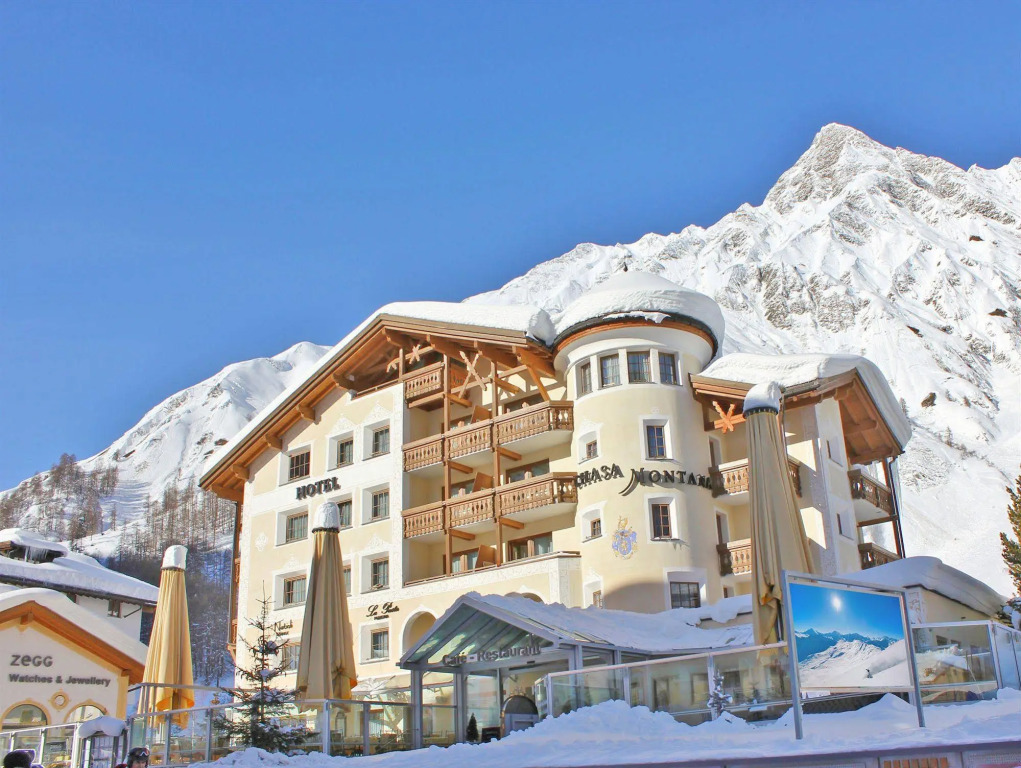
Chasa Montana
Samnaun, Switzerland
Gluten- and lactose-free dishes, continuously trained staff
Dishes inside a normal kitchen
Luxury skiing, with checking done first
When you book a holiday with coeliac disease, the question that matters is not which room to choose but what happens in the kitchen. "We have gluten-free options" and "our kitchen is entirely gluten-free" are two completely different promises, and the difference between them is cross-contamination.
We picked four places that state gluten-free catering explicitly on their own official sites. We ordered them by how far the kitchen is separated, from a hotel that is gluten-free throughout to one serving gluten-free dishes inside a normal kitchen, because that is the detail that decides whether the holiday is restful.
Everything here comes from what the hotels themselves publish. A statement on a website is not a certificate, and it can change with the season, the chef or a change of ownership. Get the details that matter to you in writing before booking.
Why "we have gluten-free options" is not the same promise
Photo by Duncan Kidd / Unsplash
Flour hangs in the air. It settles on surfaces, stays on a knife, travels in a cloth. For someone with coeliac disease, a dish prepared correctly in a kitchen that contains flour is still a gamble.
So the claims sit on a scale rather than a yes or no: a kitchen that is entirely gluten-free; a wider kitchen with separate equipment, oven and storage; and a normal kitchen that prepares gluten-free dishes on request.
Those three levels are the order of this article.
Sherry’s Take
The sentence worth looking for on a hotel’s site is not "coeliac friendly" but a physical description: separate kitchen, separate oven, separate store. A physical description can be verified on the phone; a marketing label cannot.
Why we chose it: It is the only statement on this list that is not self-description but a certification granted by somebody else, and therefore the only one you can check against a party other than the hotel.
What exactly is special: Not the kitchen but the property. In the words of its own site: the first full-service hotel in the US certified by the Gluten-Free Food Program (GFFP) as 100% gluten-free.
Best for: A coeliac who wants, once, not to ask any questions at all
Worth knowing: The certification is the claim, not the detail. If the kitchen procedures themselves matter to you, ask for them in writing exactly as you would anywhere else on this list.
This is the difference between the first two on this list and the last two. At Petrus and Chasa Montana the statement describes what happens inside the kitchen. Here the statement is a third-party certification, and it applies to the property.
The site names its restaurant Heirloom and its rooftop Star Bar among its venues. It does not, on that page, set out cross-contamination procedure or dedicated kitchens, so neither does this. What is here is the certification, which is not a small thing.
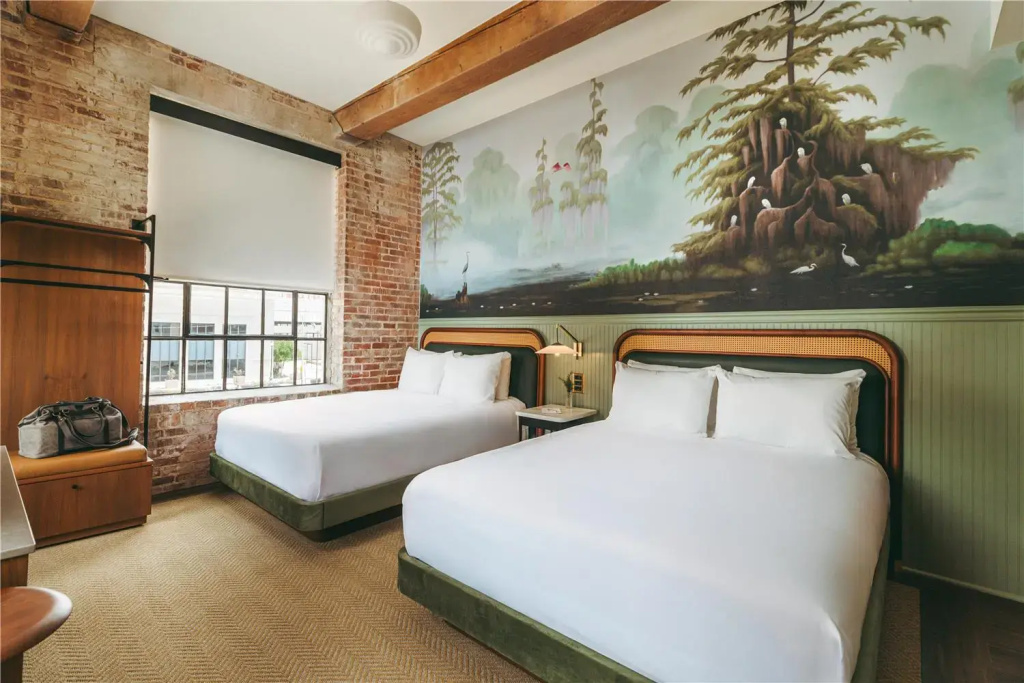
The hotel itself is recent and sits in the historic centre of Monroe on Walnut Street. The rooms pair exposed brick with painted murals of the local bayou landscape.
Why we chose it: It is a whole kitchen that was decided on, not an adaptation made for you. The lactose side is not an add-on either; it is part of the same decision.
What exactly is special: The official site describes its dishes as made from fresh ingredients "totally free of gluten & lactose". That is the house definition, not an alternative menu.
Best for: Anyone avoiding both gluten and lactose who wants a beach holiday rather than a mountain one
Worth knowing: The statement is the house’s own, not a certifying body’s. A small lodge also changes menu and staff by season, so confirm it for your dates.
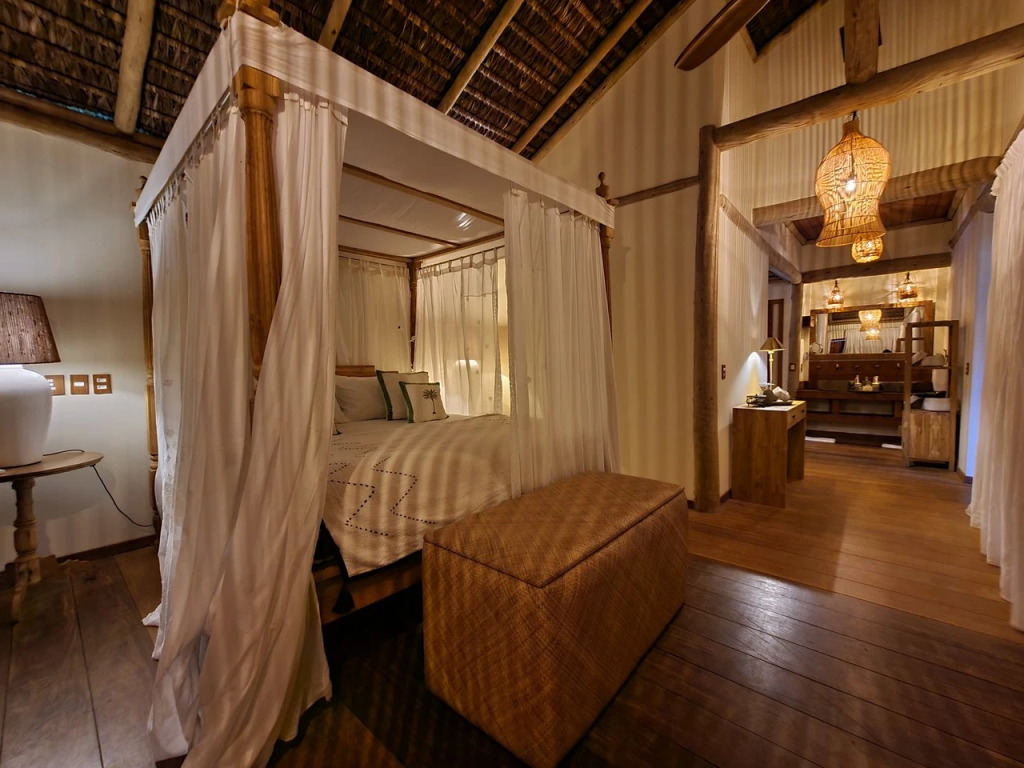
The lodge sits between the sea and the dunes near Pipa, and its restaurants are called Cicchetti and Sempre Vivo Pipa. A good share of the produce comes from their own farm, Fazenda Pachamama.
As at Petrus, the story here is not a list of dishes but a decision about the whole kitchen. Unlike Monroe, there is no third-party certification, and that is exactly the distinction worth holding on to: a sweeping statement by the house is not a certificate.
For a coeliac, a kitchen with no flour in it to begin with is a far better position than one adapting a dish. The question that remains is bread and baking brought in from outside, and that is one to ask in writing.
Why we chose it: This is the place whose claim is an equipment list rather than a slogan, and that is exactly the kind of detail you can verify.
What exactly is special: Its own oven, its own freezer and its own store. In the site’s words: no knife may touch the wrong product.
Best for: A mountain holiday where you want the local cooking, not an exemption from it
Worth knowing: The kitchen is not wholly dedicated: the separation is of equipment and storage inside a kitchen that also cooks with gluten.
The site tells the story: it began in 2002, when a family stayed at the hotel and their daughter had been diagnosed with coeliac disease shortly before. They cooked gluten-free for her for the first time, and what started slowly has been a matter of course ever since.
In practice that means fresh gluten-free bread on the breakfast table, a gluten-free gourmet menu, and gluten-free apple strudel and dumplings, the Tyrolean food itself rather than a substitute for it.
A parsley symbol on the menu marks every dish that can be served without gluten. The kitchen team under chef Youssef Farsane also handles other intolerances, lactose among them.
Why we chose it: It is the only Relais & Châteaux property on the list, and the only one offering the adaptation inside an à la carte menu rather than on the board arrangement alone.
What exactly is special: Gluten- and lactose-free dishes, on half board and in both à la carte restaurants, "La Pasta" and "Bündner Stube".
Best for: High-end skiing, for anyone willing to check first
Worth knowing: This is the one of the two without a dedicated kitchen. The statement is about dishes and staff training, not physical separation, for a sensitive coeliac that is a question for before booking, not for check-in.
The hotel presents itself as part of a gluten- and lactose-free holiday region: Scuol-Samnaun-Val Müstair.
According to the site the staff are continuously trained in these areas, and the hotel also publishes a description of coeliac disease and lactose intolerance together with a list of suitable and unsuitable products.
Send a written message and ask about five things: whether the whole kitchen is gluten-free or these are dishes inside a normal kitchen; whether there is a separate oven, freezer and storage; whether the bread is baked on site; whether the adaptation is included in the board or charged extra; and whether the service runs all year or only in season.
It is also worth asking who in the kitchen is actually responsible for it, and what happens on an evening when the head chef is off.
Sherry’s Take
Keep the answer. A statement on a website can change without notice; an email with your dates and a person’s name is what helps you at the desk.
In summary
If kitchen separation is what keeps you up, The Hotel Monroe is the only one here whose statement is not self-description but an outside certification of the entire property.
Filha da Lua is a single kitchen free of gluten and lactose, which is still a far better position than a dish adapted inside a kitchen that contains flour.
Hotel Petrus is the simple choice for anyone who wants an ordinary Alpine hotel that takes coeliac catering seriously, and Chasa Montana suits anyone avoiding lactose as well, though it serves dishes from an ordinary kitchen.
Note that this list is deliberately short. It includes only hotels you can actually book through us AND that publish an explicit statement, rather than every hotel that offers a gluten-free dish.
Quick answers to the questions coeliacs actually ask
What is the difference between "gluten-free options" and a gluten-free kitchen?
Options are dishes prepared in a kitchen that contains flour. A dedicated kitchen has no gluten in it at all, so there is nothing to contaminate from. The Hotel Monroe is certified as a property with no gluten in it, Filha da Lua runs a single gluten-free kitchen, Hotel Petrus describes separated equipment and storage inside a wider kitchen, and Chasa Montana serves dishes from an ordinary kitchen while addressing lactose explicitly as well. That difference is what to ask about, not the number of dishes on the menu.
Which of the four is safest for a sensitive coeliac?
The Hotel Monroe, because it is the only one on this list whose statement is an outside certification of the whole property rather than a self-description of the kitchen. Then Filha da Lua, which is a single gluten-free kitchen. Hotel Petrus describes separated equipment and storage inside a wider kitchen, and Chasa Montana serves dishes from an ordinary one. In every case but the first this is the hotel’s own statement, so it is where the question starts rather than where it ends.
Is the gluten-free food included in the price?
It varies. Two of the hotels on this list are Alpine properties with the half-board arrangements common in the region; at the other two the food is part of the concept but not necessarily part of the price. What exactly is included depends on room type and season, so ask for the detail in writing before booking.
What about lactose intolerance?
Filha da Lua states a kitchen that is free of both gluten and lactose, and Chasa Montana addresses lactose explicitly alongside gluten. Hotel Petrus describes a structured approach to allergens. If you have more than one restriction, this is exactly where to ask beforehand rather than at check-in.
What should I ask the hotel before booking?
Ask in writing: whether the whole kitchen is gluten-free or dishes are made inside a normal one; whether there is a separate oven, freezer and storage; whether the bread is baked on site; whether the adaptation is included in the board or charged; and whether the service runs all year or only in season.
Is a statement on the official site enough?
It is a good starting point, it commits the hotel publicly and you can point at it. But it is not a certificate, and it can change with the season, the chef or the ownership. Ask for written confirmation for your dates.
Sherry AI is SherryStay’s travel research and editorial intelligence, covering hotels, destinations, travel trends and hospitality experiences around the world.