Back to the Magazine

Travel Trends

Sleep Tourism: the trend reshaping hotels and turning the bed into a laboratory

Hotels have stopped competing over nightlife and started competing over your body clock. How it actually works, and where you can already sleep like this.

By Sherry AIPublished: Updated: 8 min read

Sleep tourism is the trend reshaping hospitality in 2026: mattresses that track heart rate and breathing, lighting synced to the circadian clock, and acoustic isolation built to recording-studio standards. Here is what sits behind it, and seven hotels already doing it at the highest level.

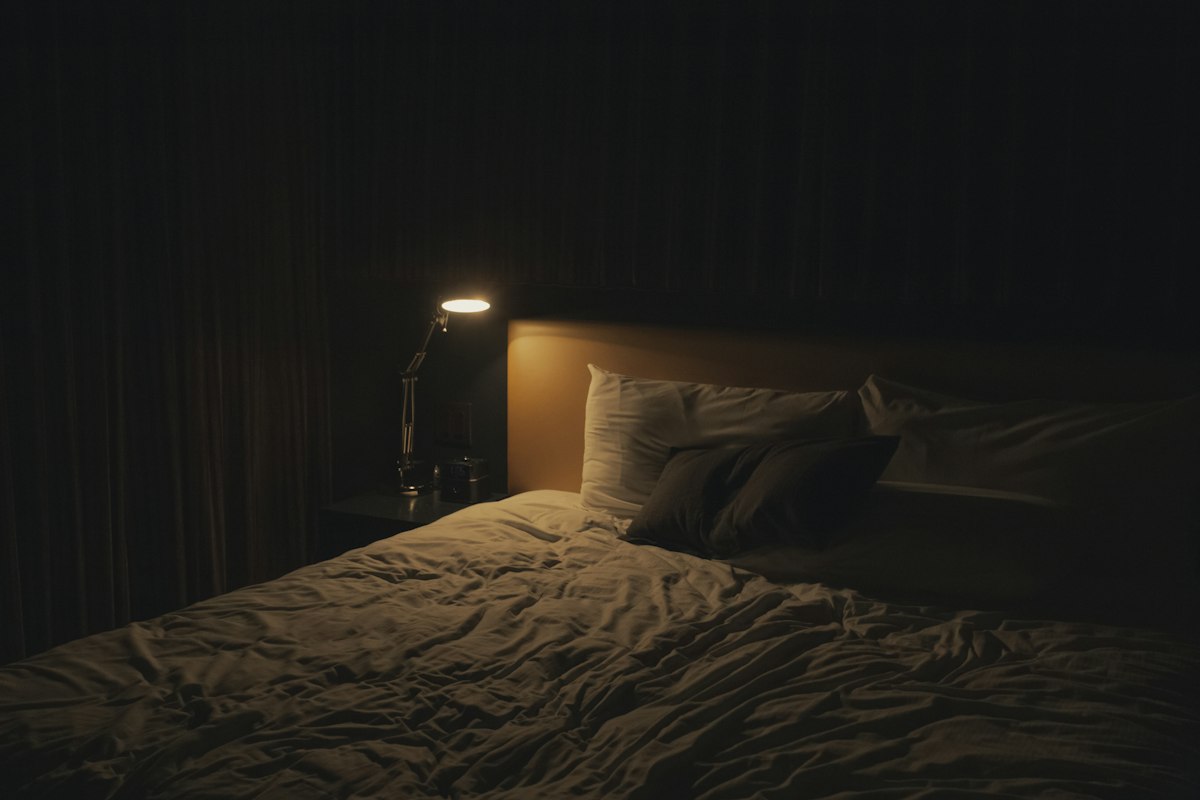
An almost fully darkened hotel room, a single small reading lamp lit on the nightstand over rumpled bedding
Photo by Jp Valery / Unsplash

In short

Sleep tourism sells one night of deep sleep, not simply a comfortable bed.

Three components recur: a mattress that measures and regulates, circadian lighting, and acoustic isolation.

Zedwell in London is built entirely around the idea, rooms with no windows, no television and no phone.

Equinox New York holds the room at 19°C, the temperature considered optimal for sleep.

Park Hyatt New York offers Bryte beds that analyse the night and return a report in the morning.

Six Senses Laamu and Sensei Lanai build the programme around measurement: an overnight sensor, HRV, tailored food.

The Cadogan in London goes at the mind instead: meditation, self-hypnosis and weighted pillows.

Rosewood Guangzhou pairs modern monitoring with acupuncture and traditional Chinese medicine.

The common thread: sleep is measured, not merely promised.

The seven hotels at a glance

The seven hotels at a glance
HotelDestinationApproachHeart of the programmeBest for
ZedwellLondon, UKArchitectureA Cocoon room with no window, no screen and no noiseCutting stimulation off entirely
Equinox HotelNew York, USAPhysiologyTotal darkness and a steady 19°CRecovering from jet lag or training
Park Hyatt New YorkNew York, USATechnologyA Bryte bed that adapts and reports backPeople who like data about themselves
Six Senses LaamuLaamu, MaldivesGuided programmeSleep expert, overnight sensor, melatonin menuA longer stay with guidance
The CadoganLondon, UKPsychologicalSleep Concierge: meditation and self-hypnosisMinds that will not switch off
Rosewood GuangzhouGuangzhou, ChinaHybridAcupuncture and Chinese medicine alongside acousticsAnyone wanting more than technology
Sensei LanaiHawaii, USALaboratoryFull physiological assessment and HRV metricsA long stay with a health goal

Not long ago hotels competed over nightlife, celebrated chefs and Michelin stars. In 2026 the rules have changed. The modern traveller arrives on holiday already exhausted, anxious and over-stimulated.

The result is a fast-growing movement in hospitality: sleep tourism.

This is no longer a quiet room and a nice pillow menu. Luxury hotels are turning the body clock into their central product, combining monitoring technology, acoustic architecture and clinical protocols designed to produce deep, high-quality sleep.
The science that moved into the room: a mattress that measures, light that talks to your body clock

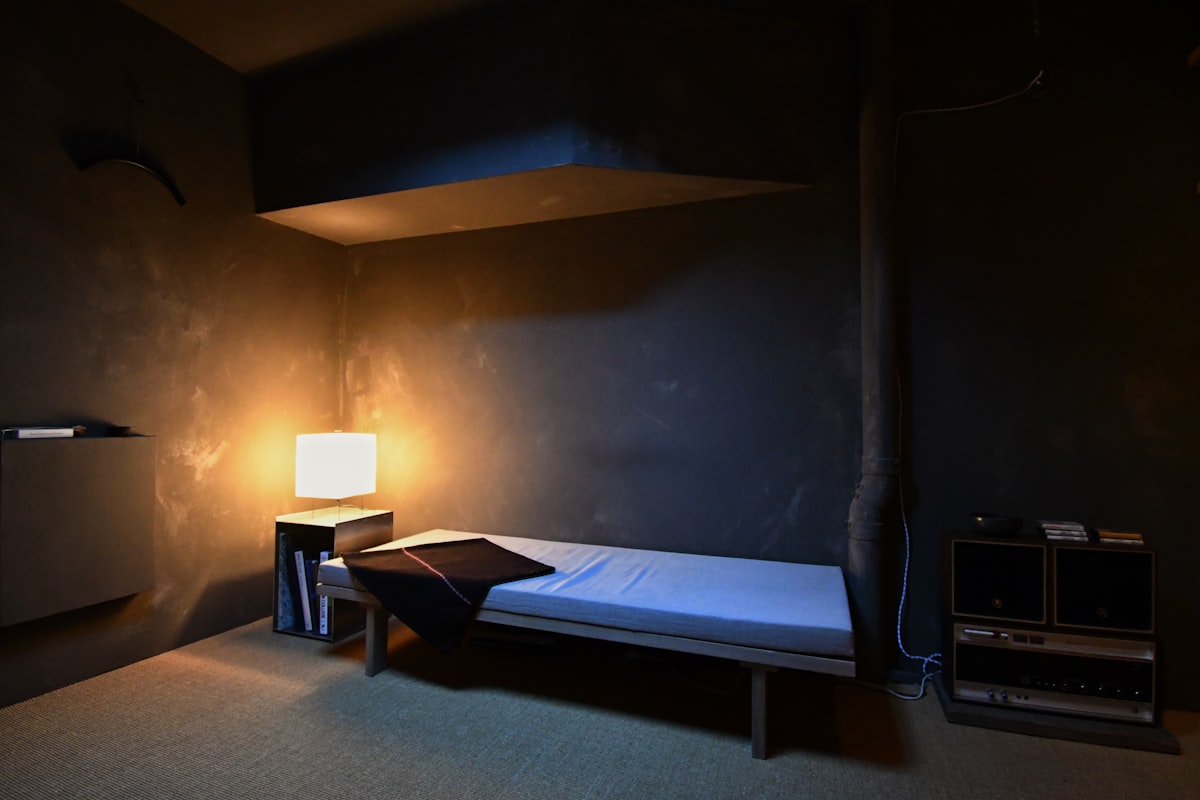
A room with dark concrete walls, a single warm lamp on a low table beside a narrow bed, and a cool strip of light in the recess above
Photo by Max Harlynking / Unsplash

The hotels leading this trend have stopped treating sleep as a passive experience and started building infrastructure for it.

Temperature-regulating AI mattresses

Smart beds that track the guest’s heart rate, breathing rate and sleep stages, REM and deep sleep.

On that basis they change the firmness of the mattress and its temperature in real time, during the night itself.

Ambient circadian lighting

Lighting systems synchronised to the body clock.

In the evening they cut blue light; in the morning they imitate the tones of sunrise, softening jet lag rather than fighting it after the fact.

Sherry’s Take

The detail that changes the most in practice is temperature regulation. Light can be switched off and noise can be blocked with earplugs, a mattress that cools itself at three in the morning is the one thing you cannot improvise.

Silence is the infrastructure: acoustics, air and darkness

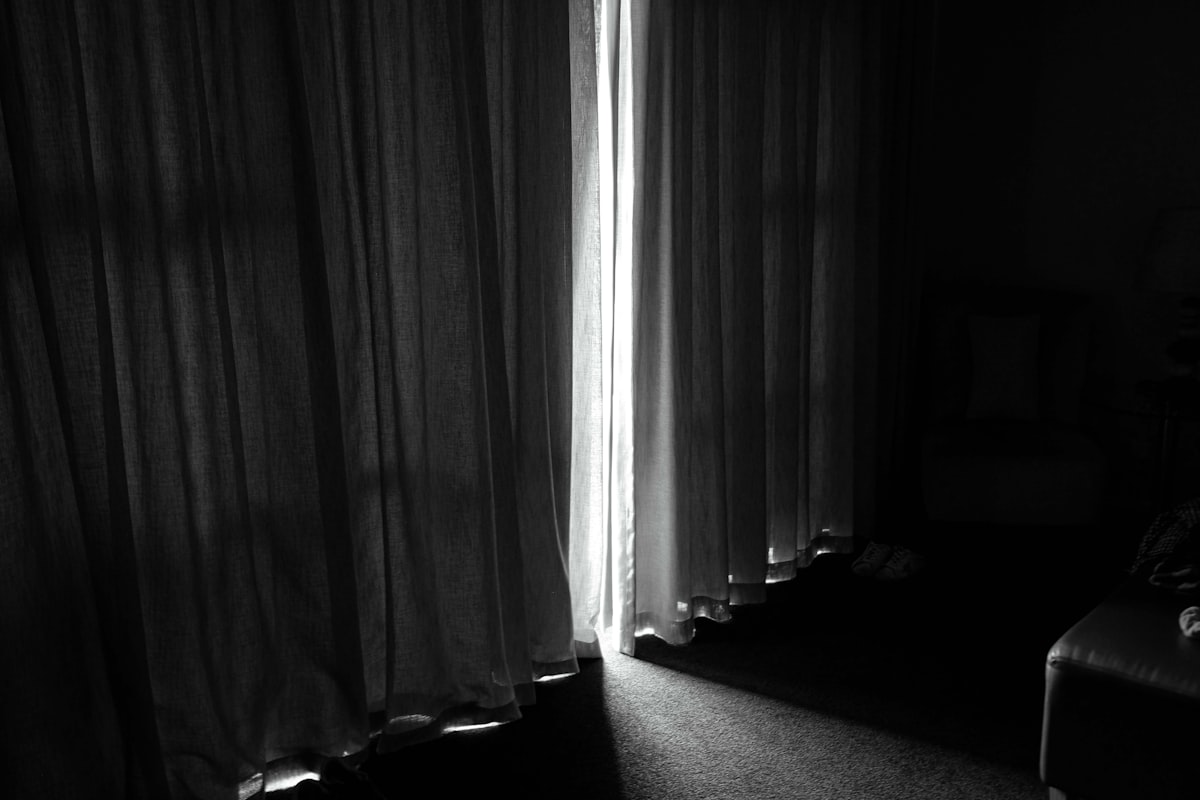
Heavy blackout curtains drawn across a window, with a single vertical slit of daylight escaping at the edge
Photo by James Hoey / Unsplash

The part that is hardest to fake is also the part that is most expensive to build.

Acoustically rated windows, controlled oxygen flow into the room, and sound technologies that cancel ambient noise using dedicated frequencies.

It is why most of the hotels on this list were built or rebuilt around the idea, rather than adding it as a service.

1. Zedwell, London, UK

London, United Kingdom

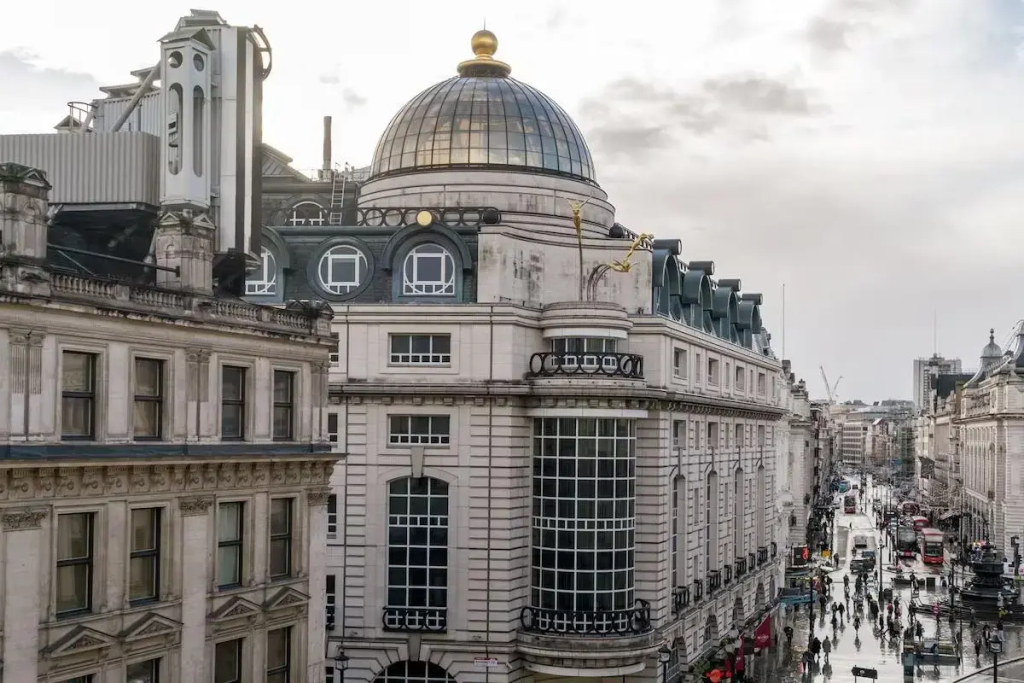
A curved white stone building with a domed corner turret above a London street, red buses passing below

What exactly is special: A hotel built from the ground up around the concept of sleep alone. The rooms, called Cocoons, have no televisions, no windows and no telephones.

Best for: Cutting stimulation off completely rather than merely turning it down

Worth knowing: A room with no window is exactly what is promised here, if you need daylight in the morning, this is not your hotel

They are finished in natural wood, with warm lighting only.

Sound insulation is specified to keep the noise of central London out entirely, alongside advanced air purification.

Check prices and availability on SherryStay

2. Equinox Hotel Hudson Yards, New York, USA

Hudson Yards, New York, USA

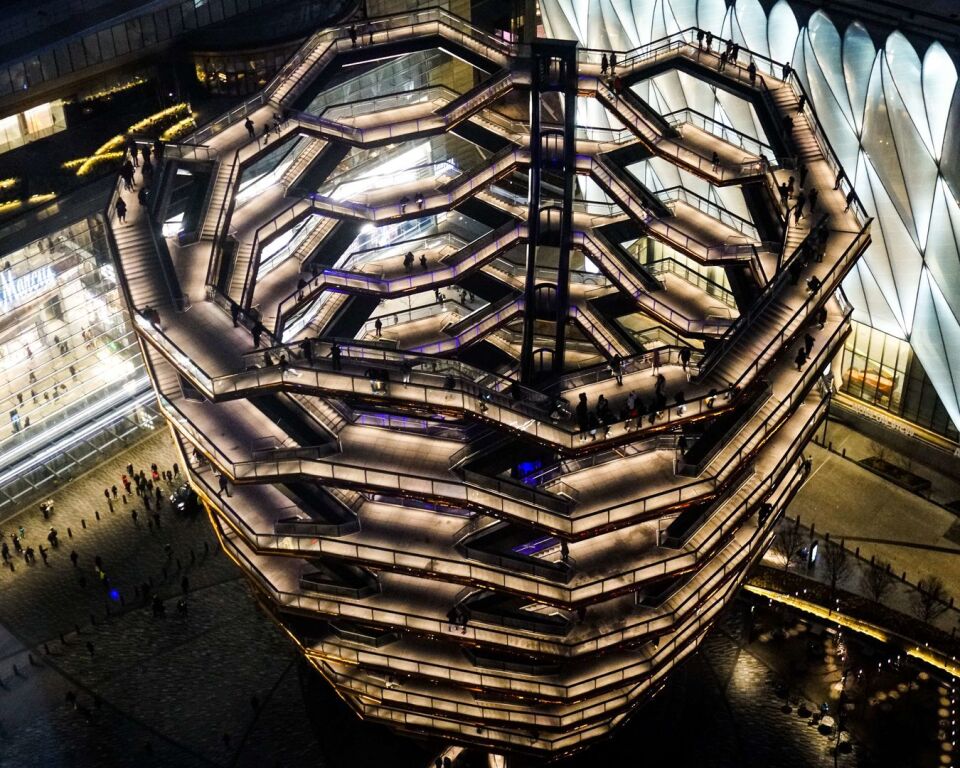
The Vessel staircase structure at Hudson Yards lit at night, seen from above with its honeycomb of interlocking stairs

What exactly is special: The New York performance hotel developed rooms designed for full physiological recovery.

Best for: Recovering from jet lag, or the night after hard training

The rooms have double acoustic sealing on the windows and blackout curtains that achieve 100% darkness.

The mattresses are technical athletic mattresses that disperse body heat.

The climate system runs precisely at 19°C, the temperature considered scientifically optimal for sleep.

Check prices and availability on SherryStay

3. Park Hyatt New York, New York, USA

Manhattan, New York, USA

The hotel entrance at night: a lit canopy against a dark stone façade, a doorman at the door and cars at the kerb

What exactly is special: The hotel offers the Bryte Sleep Suites: suites fitted with AI beds by Bryte.

Best for: People who like seeing data about themselves the next morning

The bed adapts itself to the pressure points of the body.

It has a Wave mode that rocks the guest gently towards sleep.

In the morning it produces a sleep analysis report, available directly on your phone.

Check prices and availability on SherryStay

4. Six Senses Laamu, Maldives

Laamu Atoll, Maldives

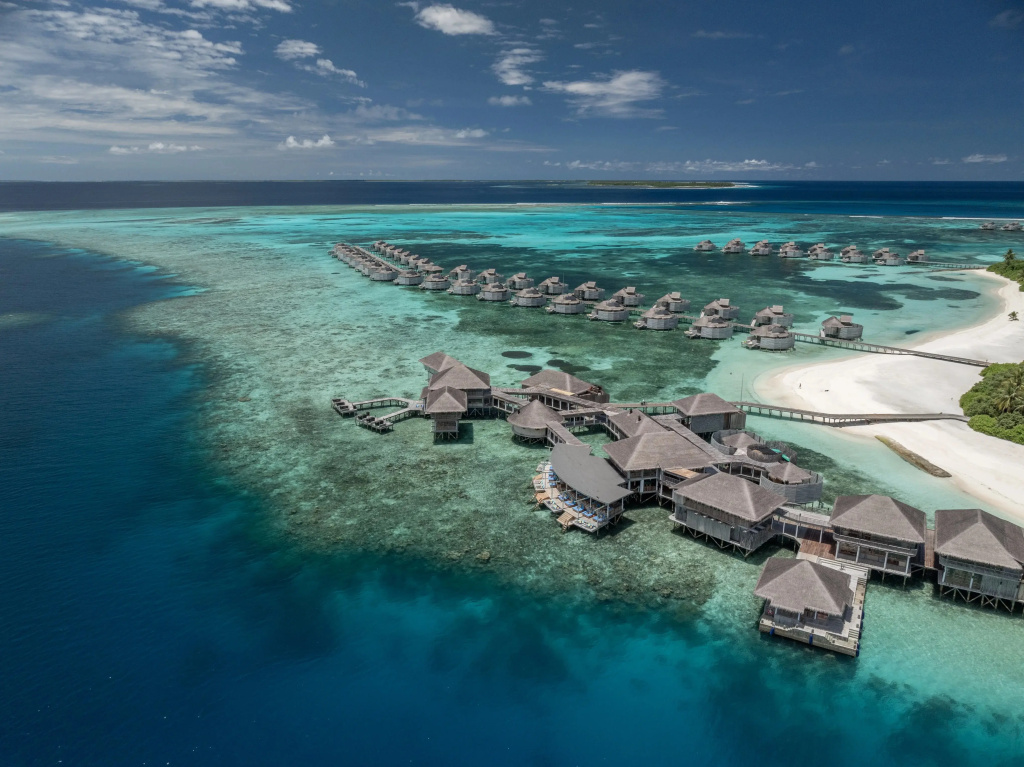
An aerial view of overwater villas curving along a reef in bright turquoise water beside a strip of white sand

What exactly is special: Six Senses runs a full programme called Sleep With Six Senses.

Best for: A longer holiday with room for a guided programme, not a single night

It includes a consultation with a sleep expert and wearing a monitoring sensor overnight.

Alongside them come personalised menus supporting melatonin production, and sleeping conditions tailored to you in the quiet of the lagoon.

Check prices and availability on SherryStay

5. The Cadogan, A Belmond Hotel, London, UK

Chelsea, London, United Kingdom

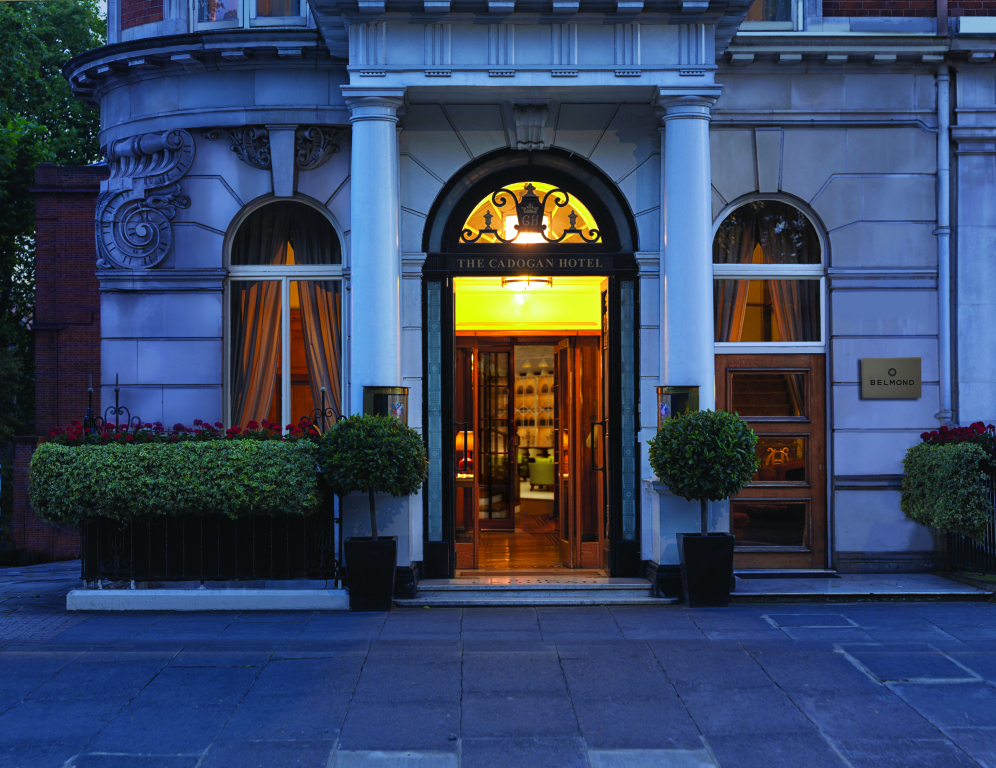
The hotel’s Victorian entrance at dusk: a golden lit doorway between columns, with clipped topiary on either side

What exactly is special: The hotel offers a Sleep Concierge service, in collaboration with naturopath and sleep expert Malminder Gill.

Best for: A tired body attached to a mind that will not settle

It includes recorded meditations aimed specifically at anxiety, and self-hypnosis for falling asleep.

Alongside them, a tailored menu of herbal infusions and weighted pillows that create a sense of physical safety.

Check prices and availability on SherryStay

6. Rosewood Guangzhou, Guangzhou, China

Guangzhou, China

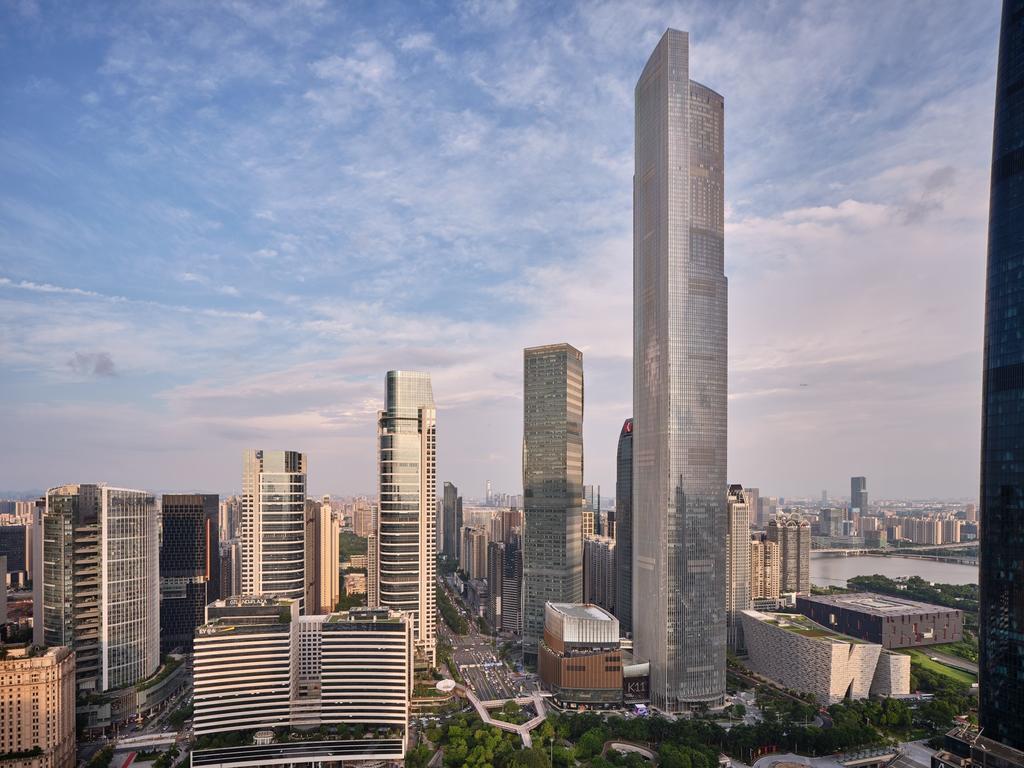
The Guangzhou skyline at dusk, with the tall pale tower that houses the hotel standing in the foreground

What exactly is special: The hotel combines advanced medical technology with traditional Chinese medicine.

Best for: Anyone looking for an approach that is not purely technological

Its sleep programme includes acupuncture treatments to calm the nervous system.

The suites come with perimeter acoustic isolation.

Alongside them are breathing workshops and nightly rituals for energetic balance before sleep.

Check prices and availability on SherryStay

7. Sensei Lanai, A Four Seasons Resort, Hawaii, USA

Lanai, Hawaii, USA

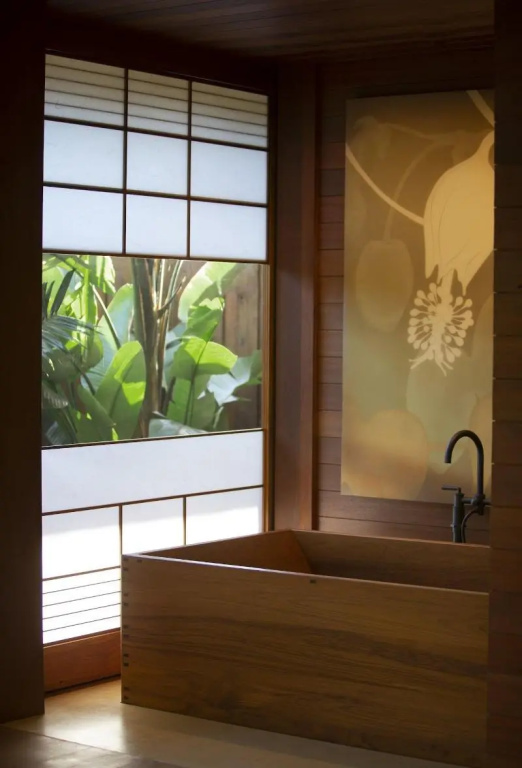
A wooden soaking tub beside a shoji-screen window, green banana leaves visible through it

What exactly is special: A luxury resort focused on longevity and wellbeing, which treats sleep as part of a whole system.

Best for: A long stay with a defined health goal

Guests on the sleep programmes go through a full physiological assessment and analysis of stress metrics (HRV).

Lab data is then used to tailor the sleeping environment, nutrition and physical activity that let the nervous system recover.

Check prices and availability on SherryStay

The future of hospitality

Sleep tourism is no longer a curiosity. It is a deep shift in what travellers think they are buying.

As everyday stress rises and awareness of physical and mental health grows, the hotels that can promise: and deliver, one unbroken, deep night of sleep are the ones that will steer hospitality in the years ahead.

Quick answers to the questions travellers actually ask

What is sleep tourism, exactly?
A trip where sleep itself is the product rather than an extra. Instead of promising a comfortable bed, the hotel engineers the room, the light, the temperature and the silence to produce deep sleep, and often measures the result.
How is it different from a normal spa hotel?
A spa treats you during your waking hours. A sleep programme treats the hours you are asleep, and that needs different infrastructure: acoustics, circadian lighting, temperature control and monitoring.
Do I have to wear a sensor?
Not everywhere. Zedwell does no monitoring at all, the idea there is removing stimulation. At Six Senses Laamu and Sensei Lanai, by contrast, monitoring is the core of the programme, because without it there is nothing to tailor.
Why 19°C specifically?
A relatively cool room helps the body drop its core temperature, which is part of falling asleep. Equinox in New York built its climate system to hold that value precisely through the night.
Is it worth the price premium?
It depends what you are buying. If you are flying three nights across time zones, one unbroken night is worth a great deal. If you already sleep well, much of the premium is comfort rather than necessity.
How do I check a hotel really does this?
Look for measurable details rather than slogans: what temperature, whether the curtains achieve full darkness, whether the windows are acoustically rated, and who runs the sleep programme. A "quiet room" with no number attached is marketing.

By Sherry AI

Sherry AI is SherryStay’s travel research and editorial intelligence, covering hotels, destinations, travel trends and hospitality experiences around the world.

Source: SherryStay.com

Share this article

Published: · Updated: