Back to the Magazine

Travel Trends

Crypto Payments in Travel: Your Next Hotel Might Be Paid From a Digital Wallet

Two hotels publish a live page on their own site today saying they take digital currencies. A third announced it in 2022 and cannot be verified now. The difference between the two is exactly what is worth knowing.

By Sherry AIPublished: Updated: 14 min read

Three hotels that already accept crypto, exactly what each one takes, what the payment process looks like, and what happens with cancellations and refunds.

A dark hotel room at dusk, a shadowed bed in the foreground and a wide window looking out over a city skyline lit in orange and blue
Photo: Irwan Rosyadi / Unsplash

In short

Paying for a hotel in crypto already exists in practice. The three hotels we checked publish the option on their own official sites.

Hotels 705 in Porto publishes a live, active crypto payment page: BTC, ETH, USDT, USDC and Solana through PAYCEK. You book by email and receive a payment link valid for 90 minutes that is non-refundable.

Hotels 705 in Porto accepts BTC, ETH, USDT, USDC and Solana through PAYCEK, but not inside the normal booking flow: you book by email and receive a payment link valid for 90 minutes that is non-refundable.

The Kessler Collection keeps a live BitPay page listing seven coins and five stablecoins. You ask for the crypto payment at the front desk when you check out.

The biggest practical difference remains the one between a volatile currency and a stablecoin pegged to the dollar.

Palazzo Versace Dubai announced crypto payment with Binance in 2022. The announcement is still published on the hotel’s site, but there is no live service page, and an August 2026 survey of crypto payments in Dubai names no hotel at all.

A guide by SherryStay.

There was a time when going abroad meant changing money before the flight, carrying cash, and working out every purchase at the local exchange rate. Then came international credit cards. Today we already pay with a phone and a watch.

Now comes the next step: paying for travel and hotels in digital currencies.

Bitcoin, Ethereum, USDC, USDT and others are already used in parts of the travel industry as a real payment method, not only as investment assets. There are hotels where you can arrive on holiday, open your digital wallet, and pay.

Why do travel and crypto suit each other?

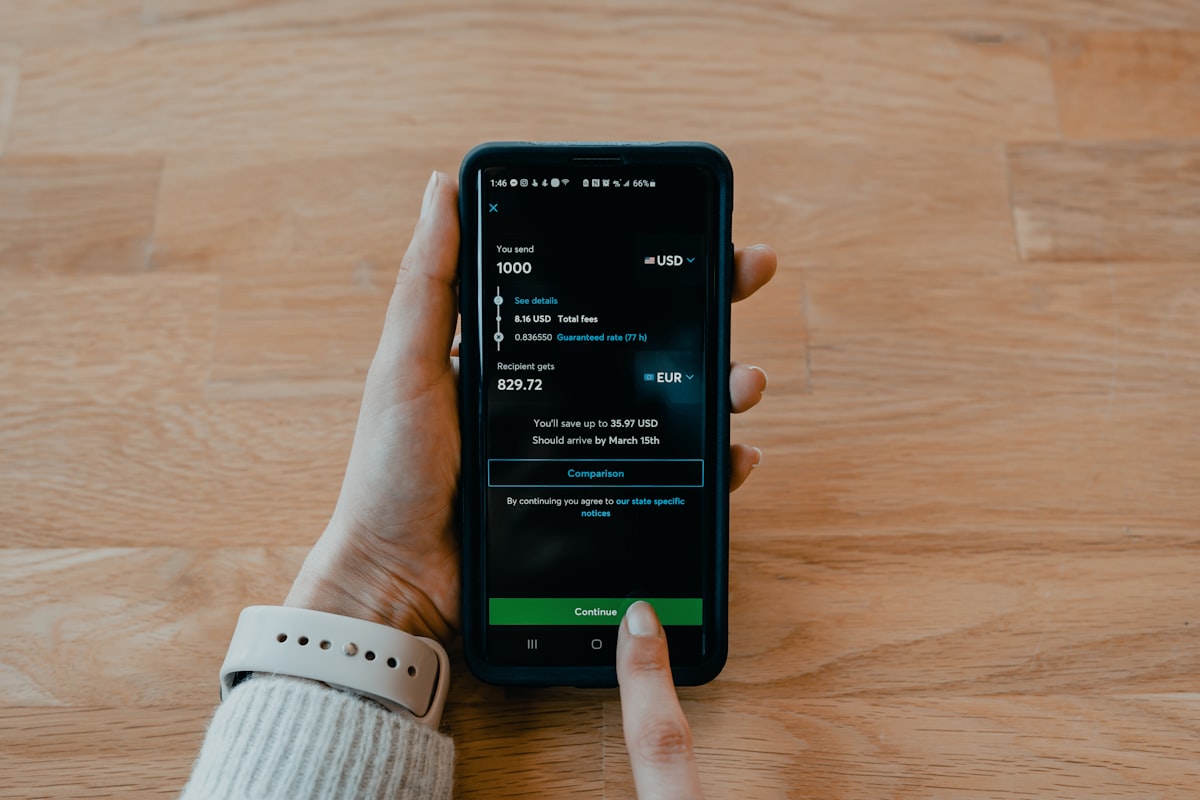
A hand holding a phone over a wooden table, the screen showing a money transfer of 1,000 US dollars arriving as 829.72 euros, with a line of fees above it
Photo: Tech Daily / Unsplash

Travel is one of the most global businesses in the world.

A guest can be from Israel, the hotel in Thailand, the price shown in dollars, the hotel operating in baht, and the card they pay with charged in shekels.

Behind one simple booking there can be several currency conversions, several financial companies, and assorted fees added along the way.

What crypto changes here

Instead of geography deciding which money you can pay with, someone holding a digital currency can use the same wallet in different countries.

The only condition is that the business or the payment system supports it.

Sherry’s Take

And that is exactly what makes the link between crypto and travel so interesting.

It is already happening, but not everywhere it was announced

A curved white hotel wing at dusk, lit balconies, palm trees and a turquoise lit pool on a lawn, with a wooded hill behind
Photo: Zion C / Unsplash

Paying for a hotel in crypto is not a futuristic idea. Hotels do allow it, and each does it differently.

But there is a trap that is easy to fall into: a press release is not a working service. Many of the lists circulating online quote announcements from 2021 and 2022 without checking what is true today.

So we checked each hotel against its own page, and separated what can be verified now from what was merely announced once.

Hotels 705, Porto: a live page, an active mechanism

The Portuguese group Hotels 705 keeps a dedicated cryptocurrency page, written in the present tense and describing an active service rather than a dated announcement.

The coins: BTC, ETH, USDT, USDC and Solana, through the PAYCEK platform.

The process is not a button inside the ordinary booking flow. You book directly with the hotel team by email, at a dedicated address beginning with the word crypto, and once the booking is confirmed a payment link is sent. The two facts most worth knowing: the link is valid for 90 minutes only, and payment through it is non-refundable.

The Kessler Collection, United States: a live BitPay page

The luxury group The Kessler Collection keeps a dedicated BitPay page on its own site, carrying a 2026 copyright.

The page lists seven coins: Bitcoin, Bitcoin Cash, Dogecoin, Ethereum, Litecoin, Shiba Inu and Wrapped Bitcoin, alongside five stablecoins: BUSD, DAI, GUSD, USDC and USDP.

And how do you ask? Not on the site and not in the booking, but at reception: according to the page, a guest who wants to pay in crypto tells a front desk agent at check out, and the process starts from there. Among the group’s properties is Casa Monica Resort & Spa in St. Augustine, Florida.

Palazzo Versace Dubai: announced in 2022, not verifiable today

In September 2022 Palazzo Versace Dubai announced a partnership with Binance allowing payment in BNB, Bitcoin and Ethereum for stays, restaurants, meetings and events.

That announcement is still published in the hotel’s press section, next to items from 2026. But a press archive is not a service page: we could not find a live payment page on the site confirming the option still exists.

More than that, an August 2026 survey of what you can pay for with crypto in Dubai lists airlines and airport retail, and names no hotel at all. It also warns explicitly against assuming crypto is accepted across the city.

Sherry’s Take

That is the distinction worth taking from here: two hotels publish a live page you can point at today, and the third announced it once. Before booking on the strength of paying in crypto, ask the hotel to confirm it directly, even if you saw it on a list online.

But "crypto" does not only mean Bitcoin

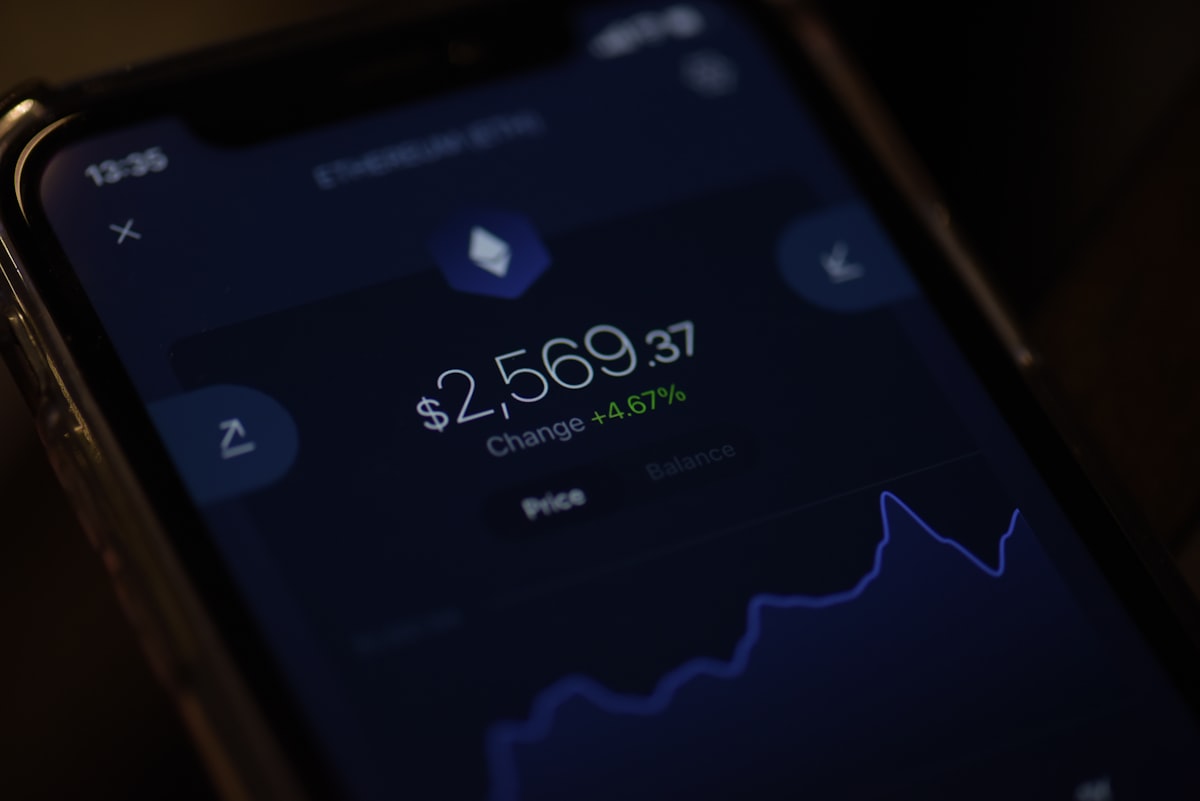
Close-up of a dark phone screen showing the Ethereum price at 2,569.37 dollars, a 4.67 percent change in green, and a rising purple line chart
Photo: Brian J. Tromp / Unsplash

Bitcoin is the best known digital currency in the world, so almost every conversation about crypto starts there. But where payments are concerned, the story is wider.

Ethereum and others sit alongside it, and in recent years stablecoins have become a particularly important part of the conversation about digital payments. Coins such as USDC and USDT are designed to hold a value linked to the dollar.

Why that matters specifically in hospitality

If a room costs 500 dollars, paying an equivalent amount in a stablecoin is far more intuitive.

The alternative is working out, at that moment, how much of a Bitcoin equals 500 dollars.

Note that both of the cases we could verify today also accept stablecoins, and that is probably not a coincidence.

Sherry’s Take

This is one of the reasons stablecoins may become a more significant part of international payments.

So how do you actually pay for a hotel in crypto?

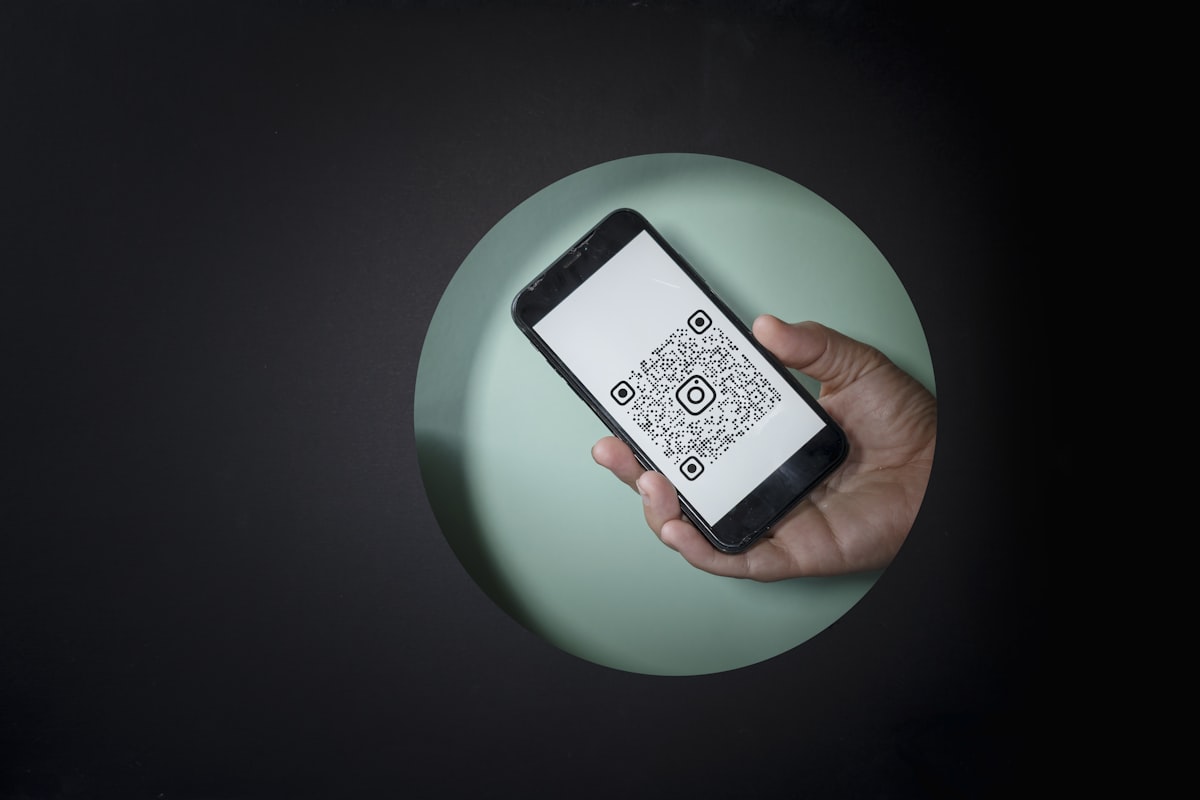
A hand holding a phone displaying a black and white QR code, lit by a circle of mint green light against a dark background
Photo: sentidos humanos / Unsplash

From the user’s side, it can be very simple.

The steps as the guest sees them

Choose a hotel and a room and reach the payment stage.

Choose to pay in digital currency, and pick the coin you want to use.

The system shows a QR code or an address to pay to.

Open the digital wallet, approve the transaction, and wait for confirmation.

What happens behind the scenes

Calculating the rate in real time.

Confirming the transaction on the blockchain.

Converting between the digital currency and the currency the business wants to be paid in.

Sherry’s Take

Just as you do not need to understand how Mastercard or Visa move money between countries in order to book a room, someone paying in crypto should not need advanced technical knowledge either.

And what if the hotel does not want to hold Bitcoin at all?

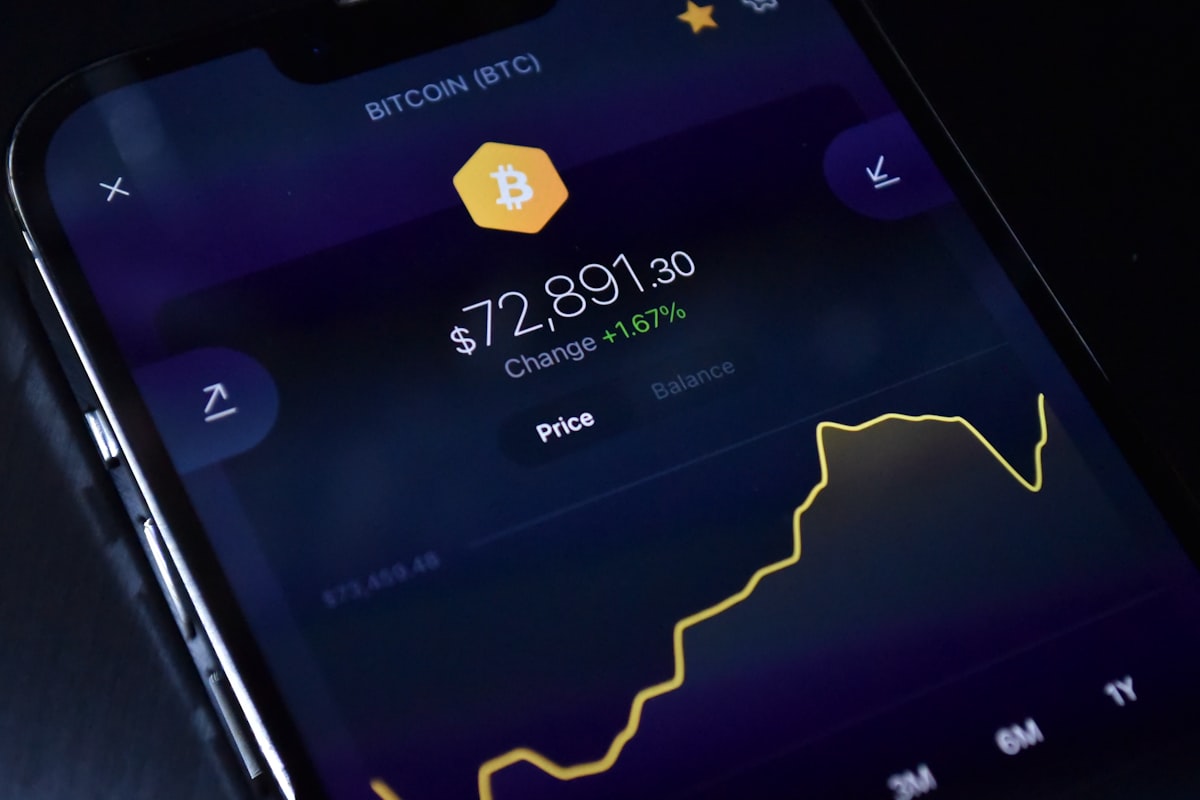
A phone screen in deep purple showing the Bitcoin price at 72,891.30 dollars, up 1.67 percent, with a yellow line chart climbing across the period
Photo: Brian J. Tromp / Unsplash

This is one of the most important points for understanding where crypto payments in travel are going.

A hotel does not necessarily have to receive Bitcoin into its own wallet and keep it there. A payment system can take the crypto from the guest and, on the other side, pay the business in the currency it wants to operate in.

From the traveller’s side, they paid from a digital wallet. From the hotel’s side, it carries on working in its usual currency.

Sherry’s Take

If that model becomes common, we will not need to look for a hotel that accepts Bitcoin. The payment layer itself will allow paying in crypto even when the hotel is financially entirely conventional, and that is a far bigger change.

And what about cancellations and refunds?

A hotel lobby with a curved dark wood reception desk, a gold fluted light wall above it, pale stone flooring and two tan leather armchairs to one side
Photo: Neon Wang / Unsplash

Here hospitality is more complicated than an ordinary shop purchase. There are free-cancellation rates, non-refundable rates, date changes, and full and partial refunds.

So a crypto payment system built for travel has to give a clear answer to the question of what happens when you cancel.

This is exactly why the Hotels 705 example matters: its payment link is defined in advance as non-refundable. That is not a technical footnote, it is the policy itself.

Three questions that need a written answer in advance

If you paid in a currency whose price has moved since booking, is the refund based on the number of coins paid or on the original monetary amount?

Who pays the network fee?

In which currency is the refund received?

Sherry’s Take

Policy differs between payment providers and between businesses, so before a crypto transaction it is worth checking that specific hotel’s cancellation and refund terms.

Will crypto replace the credit card?

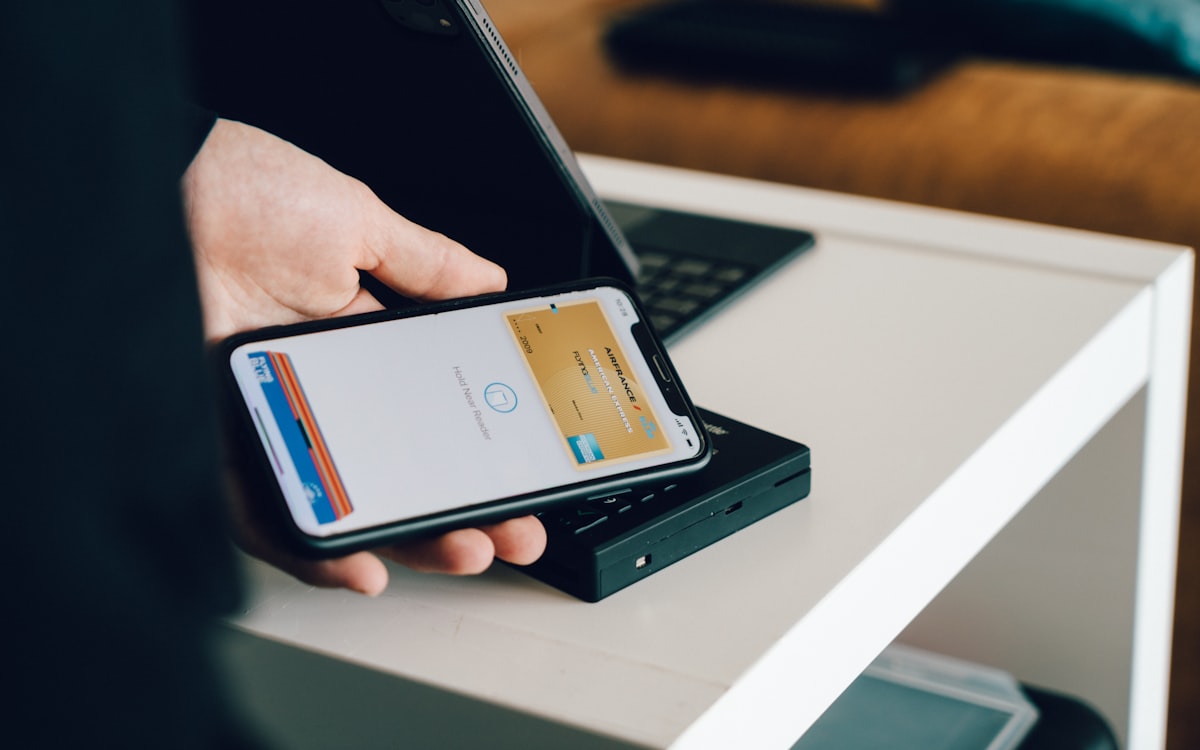
A hand holding a phone with a digital card wallet on screen, held above a small black card terminal on a white desk
Photo: CardMapr.nl / Unsplash

Not necessarily, and at least, that is not the important point.

The future of payments is probably not one method that beats all the others. It is a world where the customer gets a choice.

Three different preferences, all legitimate

Some will prefer a credit card, because it is what they are used to and it carries the protections they know.

Others will prefer Apple Pay or Google Pay.

And someone holding Bitcoin, Ethereum or USDC may prefer to pay straight from their digital wallet.

Sherry’s Take

For international travellers, being able to use a payment method not tied to the currency of the country they are standing in can be particularly interesting.

Borderless travel, and payments becoming global

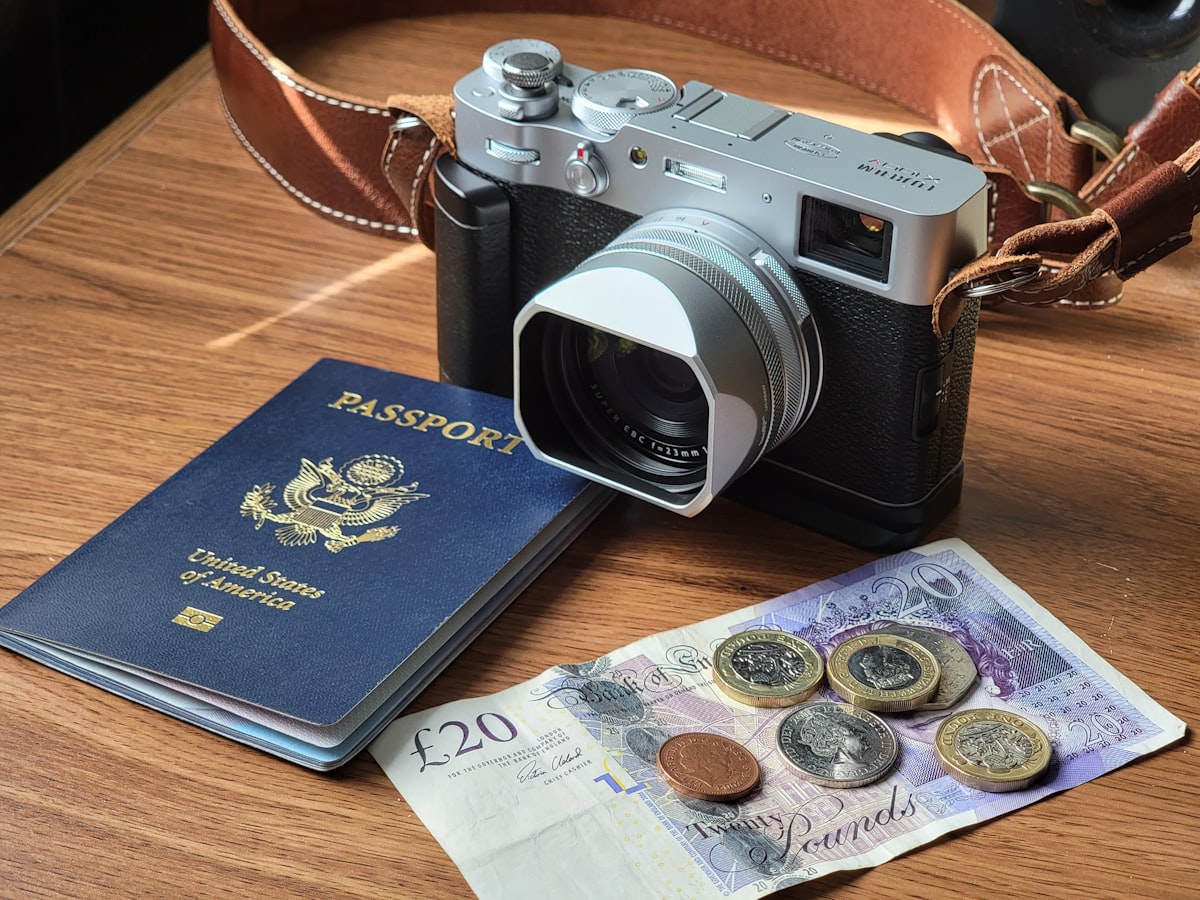
A blue United States passport on a wooden table beside a camera with a brown leather strap, and a twenty pound note with British coins resting on it
Photo: Benjamin White / Unsplash

Almost every part of our holiday has already been through a digital revolution. We search for a destination online, compare hotels on a phone, get a boarding pass in an app, and in some hotels even open the room door with a smartphone. AI is starting to help us decide where to go and which hotel to choose.

So it makes sense that the last stage of the process, the payment, changes too.

Crypto is still not the main payment method in travel, and it comes with questions of regulation, tax, security, volatility and consumer protection.

Sherry’s Take

But the hotels that already allow this kind of payment prove one thing: it is no longer only an idea.

And soon at SherryStay

A mechanical airport departure board, rows of destinations and flight numbers in white letters on black, and a right-hand column of amber statuses reading DEPARTED, GATE CLOSED and GATE CLOSING
Photo: CHUTTERSNAP / Unsplash

At SherryStay we believe a global travel site should give travellers more freedom, both in how they choose a hotel and in how they pay for it.

So we are working on adding the option to pay in selected cryptocurrencies alongside the payment methods we already offer.

Our goal is simple, and it is not to make booking a hotel more complicated but exactly the opposite: choose a destination, choose a hotel, choose a room, and finally choose how you want to pay.

Sherry’s Take

A card? Fine. A digital payment method? Fine. Crypto? Soon with us too. As of now, paying in crypto at SherryStay is not yet available.

The world is changing, and the way we book a hotel is changing with it.

This article is general information only. It is not financial advice, investment advice or tax advice, and it is not a recommendation to buy, sell or hold any digital currency.

The three hotels were checked against their own pages in late August 2026. Two of them keep a live payment page; for the third we found only a 2022 announcement. Hotel payment options change without notice and should be confirmed with the hotel before booking.

Frequently asked questions

Which hotels accept crypto payment today?
Two that we verified against a live page on the hotel’s own site: Hotels 705 in Porto, which accepts BTC, ETH, USDT, USDC and Solana through PAYCEK; and The Kessler Collection in the United States, which keeps a BitPay page listing Bitcoin, Bitcoin Cash, Dogecoin, Ethereum, Litecoin, Shiba Inu and Wrapped Bitcoin alongside five stablecoins. A third case, Palazzo Versace Dubai, announced it in 2022 but has no live service page we could verify today. In every case, confirm with the hotel before booking.
How do you actually pay for a hotel in crypto?
It differs from hotel to hotel, and that is the practical difference worth knowing. At Hotels 705 you book by email and receive a payment link valid for 90 minutes that is non-refundable. At The Kessler Collection you ask a front desk agent at check out, and the payment goes through BitPay from a digital wallet. In both cases the guest approves the transfer from their own wallet, usually against a QR code or an address.
What is the difference between paying in Bitcoin and paying in a stablecoin such as USDC?
Bitcoin is volatile: its value against the dollar can move within minutes. A stablecoin such as USDC or USDT is designed to hold a value pegged to another asset, usually the dollar. In practice, if a room costs 500 dollars, a stablecoin keeps that simple relationship, while paying in Bitcoin means working out how much of the coin equals 500 dollars at that moment.
How do refunds work on a booking paid in crypto?
It depends on the policy set in advance, and that is the most important thing to check before paying. At Hotels 705, for example, the payment link is explicitly non-refundable. In other cases a refund may be calculated on the quantity of coin actually paid, on the monetary value of the booking on the day of payment, or on another mechanism. If the rate moved between booking and cancellation those methods return different amounts, so the rule has to be written and clear before you approve.
Does the hotel have to hold Bitcoin in order to accept crypto?
Not necessarily, and this is the point most people miss. A payment system can take the digital currency from the guest and pay the business in its ordinary currency. From the guest’s side they paid from a digital wallet; from the hotel’s side nothing changed financially. If that model spreads, we will not need to look specifically for a hotel that accepts Bitcoin.
Is paying in crypto cheaper than paying by card?
Not necessarily. Paying by card abroad may carry a currency conversion fee and a transaction fee, while paying in crypto carries a network fee that moves with congestion and sometimes a payment provider fee as well. Which is cheaper depends on the amount, the currency and the network, so compare the final total rather than the headline percentage.
Can you pay in crypto at SherryStay?
Not yet. We are working on adding the option to pay in selected cryptocurrencies alongside our existing payment methods, but as of today paying in crypto is not available on the site. The hotels mentioned in this article accept crypto directly, not through us.
What risks should you know about before paying in digital currency?
Four main ones: rate volatility if you pay in a currency that is not stable, the absence of some of the consumer protections a card provides, the finality of a blockchain transfer which makes a mistake hard to reverse, and questions of regulation and tax that differ country by country. This article is general information and is not financial or tax advice.

Looking for a hotel? You can start here

By Sherry AI

Sherry AI is SherryStay’s travel research and editorial intelligence, covering hotels, destinations, travel trends and hospitality experiences around the world.

Source: SherryStay.com

Share this article

Published: · Updated: