The Northern Lights Without Gambling on Luck: Where to See Them, When to Go, Where to Sleep and Which Voyages Actually Go Looking
You cannot book an aurora, but you can plan a trip that greatly improves the odds. How many nights to leave, why cloud cover matters more than the KP index, and the difference between a road chase, an evening fjord cruise and a voyage of several days.
The northern lights are one of the few things in travel you cannot buy. But you can plan around them far more intelligently than most people do.
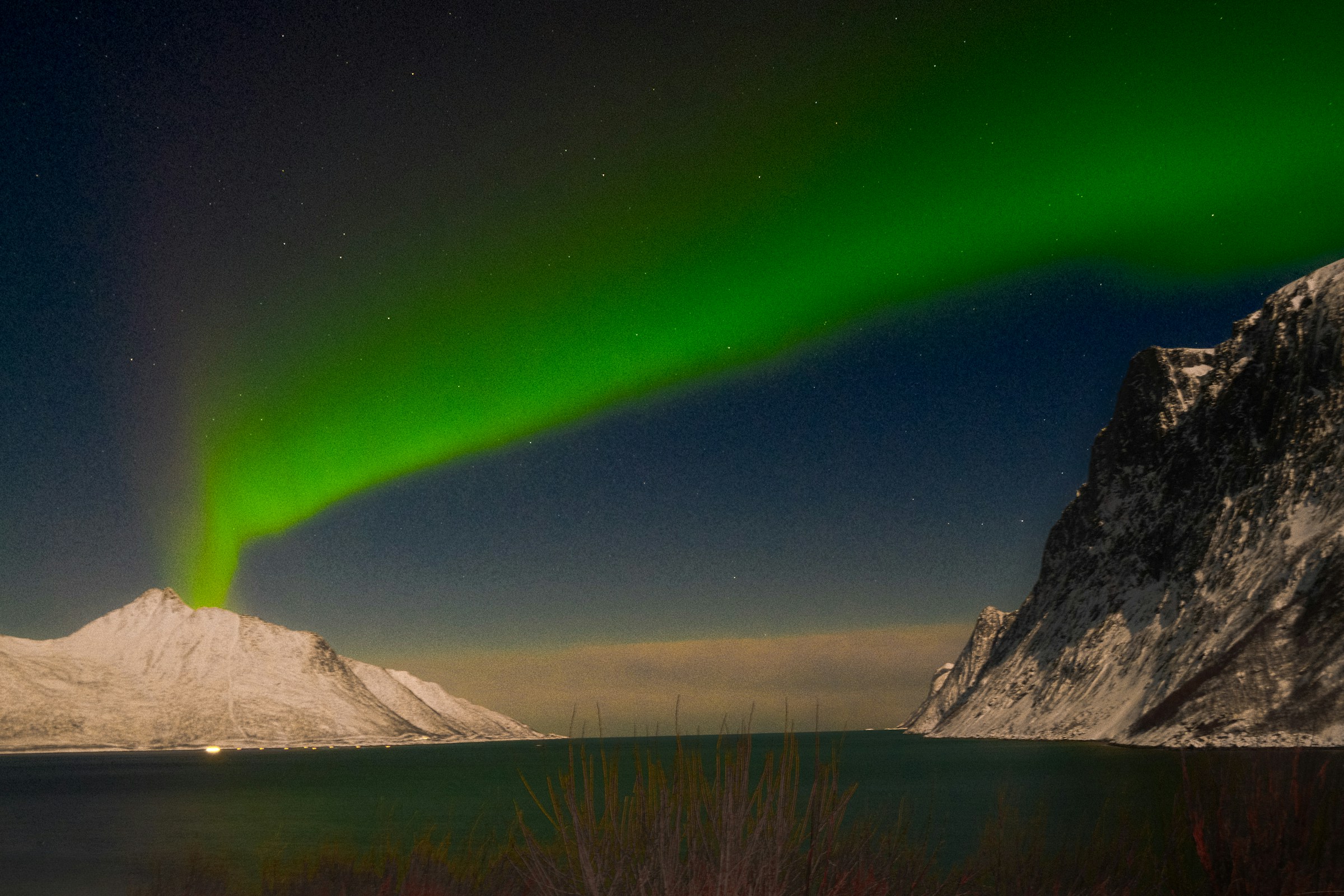
Photo: Shashidhar S / Unsplash
In short
You need three things at once: aurora activity, darkness, and skies clear enough of cloud. A superb solar forecast is worth nothing under a blanket of cloud.
A high KP is not everything. If you are already inside the aurora oval, location and cloud cover matter more than a number in an app.
Do not build an aurora trip on a single night. Three to four nights is a sensible minimum.
Tromsø gives a comfortable city base with plenty of tours; Rovaniemi suits families better; Iceland allows a road trip; and a coastal voyage moves you every day.
An aurora chase can run for many hours. It is not always a tidy two-hour excursion.
Glass does not create an aurora. A panoramic window buys convenience, not a better chance. What does change the odds is location and the light around it.
Where to go looking for the aurora
A comparison of four ways to chase the northern lights: season, advantages, drawbacks, suitability for families and relative cost
Destination or method
Recommended season
Main advantage
Main drawback
Suits families
Relative cost
Tromsø, Norway
Usually September to April
Comfortable city base, many tours, the option of a road chase or an evening cruise
Changeable weather, high prices, tours can run very long
High
High
Rovaniemi, Finland
Late August to early April
The full Lapland experience: reindeer, huskies, sauna and activities for children
Light pollution in places, some attractions very expensive
Very high
Medium to high
Iceland
Roughly late August to mid-April
Combine a road trip with waterfalls, glaciers and hot springs, and shift area according to cloud
Winter driving is demanding, long distances, dependent on a car
Medium to high
Medium to high
Voyage along the Norwegian coast
Mainly September to late March
The ship changes position daily, less dependence on one town
No control over the route, hard to move to a clear inland area
You flew thousands of kilometres. You paid for a hotel with a panoramic window. You stepped outside at midnight. The sky is black.
No green. No purple. No aurora.
Because the northern lights do not work to order.
But there is an enormous difference between hoping to see them and planning a trip that meaningfully raises the odds. You need to know when to come, where to go, how many nights to leave, when to get out of town, and when cloud matters even more than the solar activity forecast.
And even whether it is worth heading out by boat into the dark fjords instead of searching from land. This is the practical guide.
First, what actually creates the northern lights?
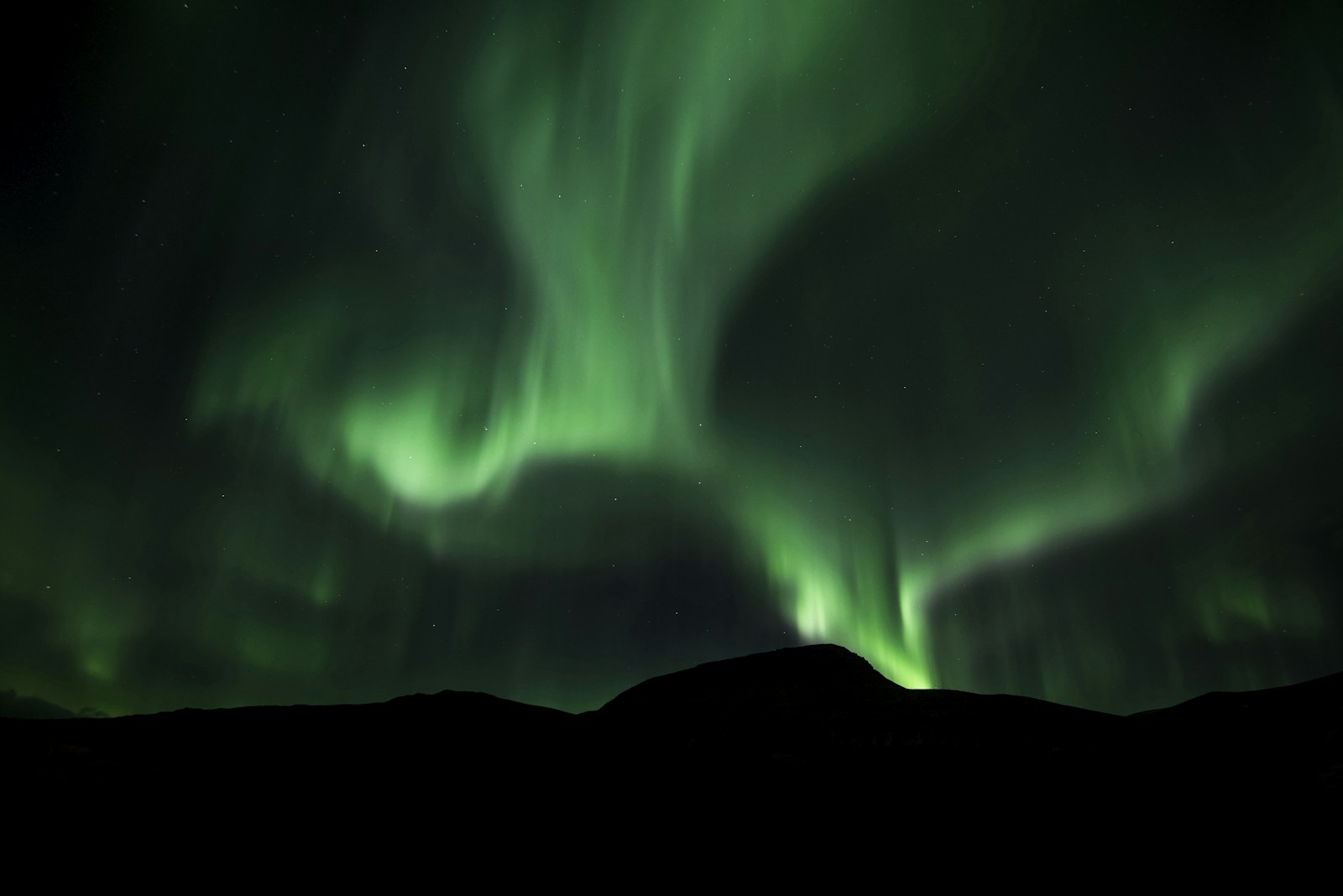
Photo: Jonathan Bean / Unsplash
The northern lights, aurora borealis, form when charged particles arriving from the sun interact with the earth's magnetic field and atmosphere.
But for a traveller there are three far simpler conditions to remember, and you need all three on the same night.
The three conditions
Aurora activity.
Darkness.
And skies clear enough of cloud.
Sherry’s Take
You can have a superb solar forecast and still see nothing if the sky is covered in cloud. That is exactly what travellers miss.
Is a high KP all you need to check?
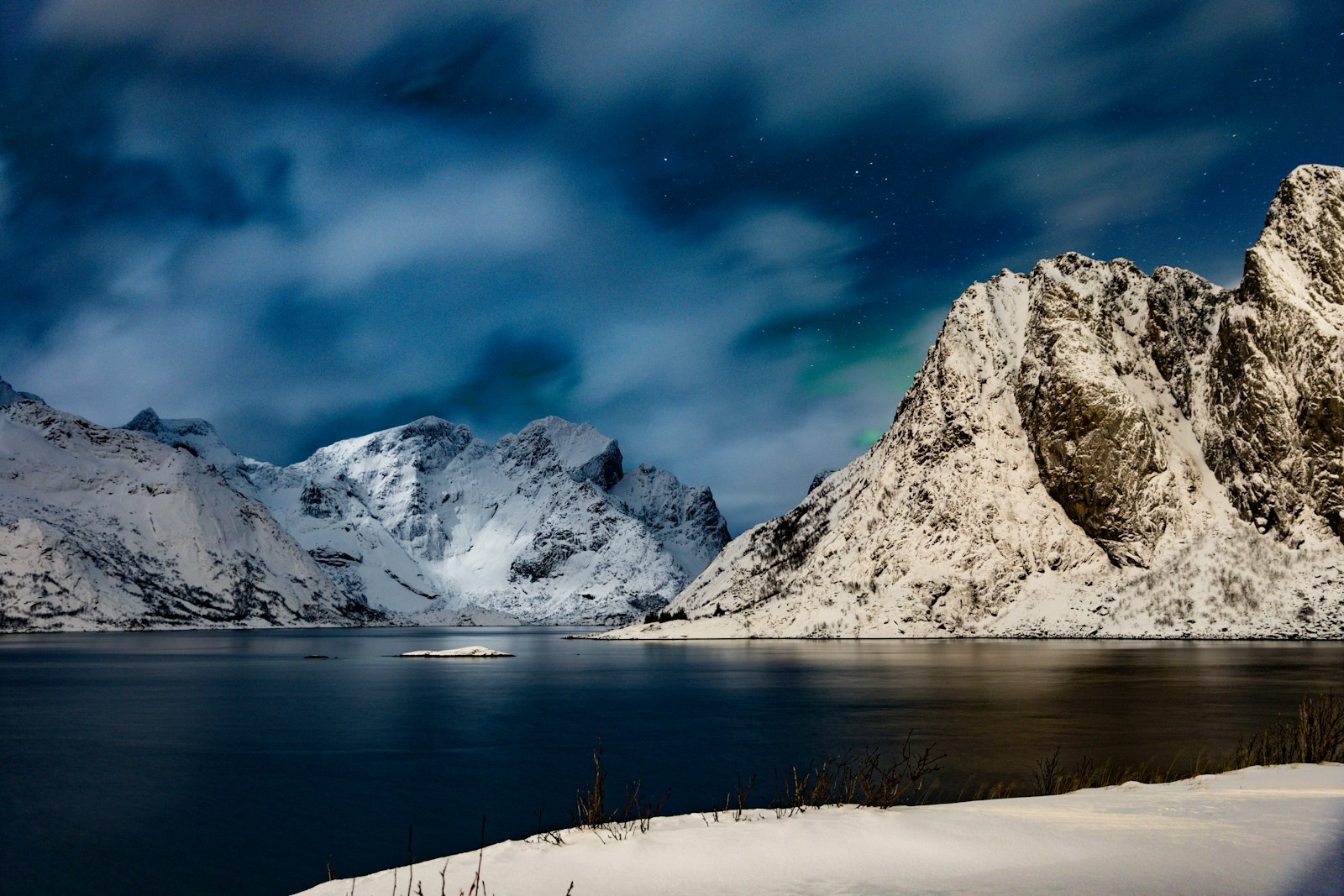
Photo: Keith Häsler / Unsplash
No.
KP is a measure of geomagnetic activity. But in the far north, around Tromsø for instance, you can see an aurora even when the KP is not especially high.
If you are already inside the aurora oval, location, cloud cover and darkness can matter far more.
So do not write off an evening just because an app shows a number that looks low. Check the cloud map too.
How many nights should you really leave?
Photo: Nacho Rochon / Unsplash
According to Tromsø's official tourist board, the aurora can usually be seen in the area from September to April, depending on weather and solar activity. The local body also recommends getting away from heavily lit areas to improve viewing conditions, and stresses that the more days you have, the greater the chance the sky and the weather cooperate.
This is why I would not build an aurora trip on a single night.
If the aurora is the point of the trip, I would think in terms of at least three to four nights, and more if budget and time allow.
Why? Because you need darkness, skies clear enough, and suitable activity all at the same time. The first night can be overcast. The second can be weak. And the third can be the night you talk about for years.
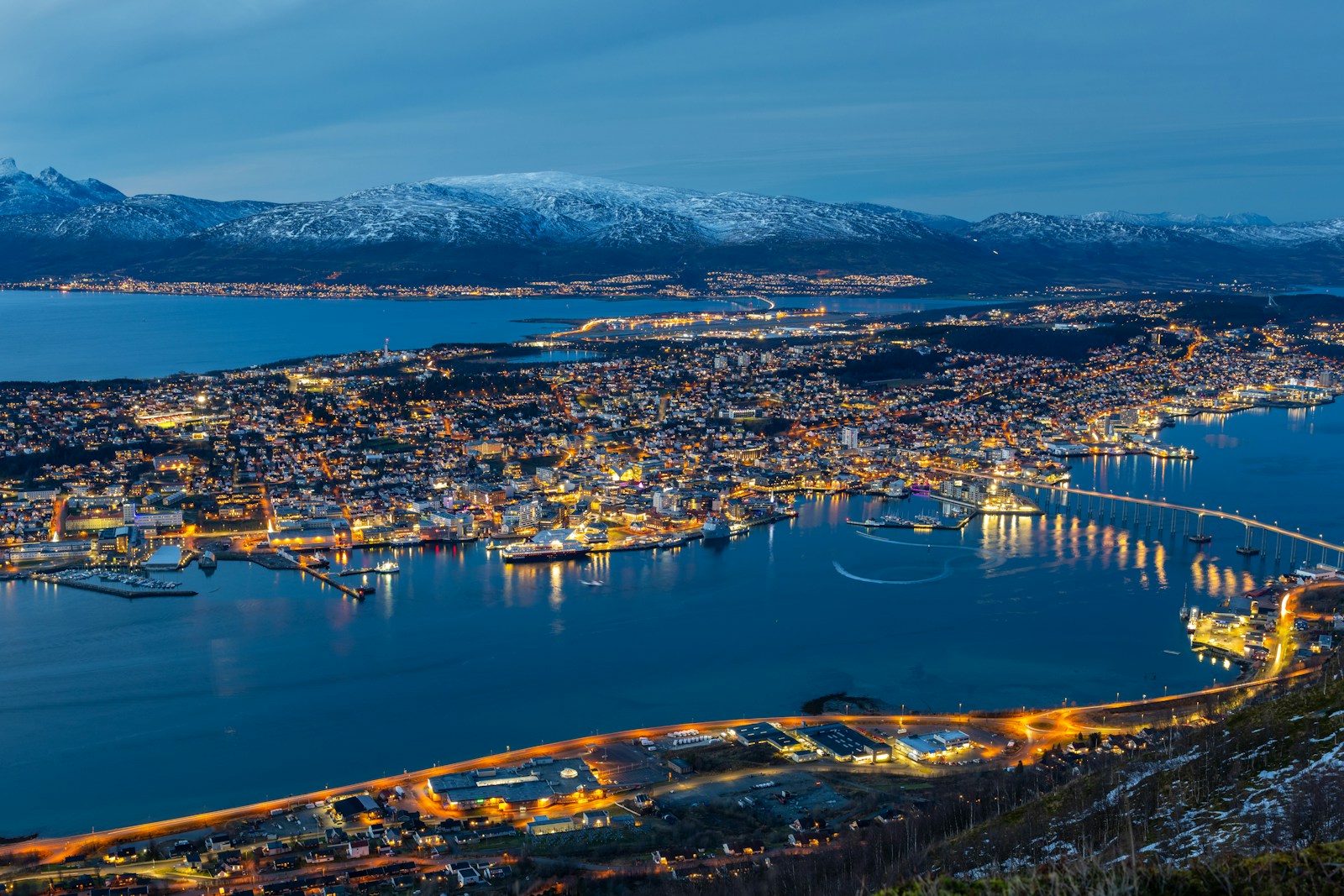
Its advantage is that you can sleep in a town with hotels, restaurants and transport, and head out in the evening to look for darker skies. Look at the photograph above: the same city lights that make the stay comfortable are also what reduces the contrast in the sky.
If you are planning an evening cruise, a hotel on the waterfront saves you a drive through a freezing night after the boat returns. It sounds like a small detail until the first time you are standing on a quay at midnight.
Two ways to go looking: a road chase or an evening cruise
Photo: Gabriela / Unsplash
Worth knowing: No cruise and no tour guarantees an aurora. The companies themselves phrase it as dependent on conditions and luck. What a tour does buy you is mobility, a guide who can read a cloud forecast, and darker skies away from town.
One is the northern lights chase: a guide drives you out and tries to find an area with clearer skies. The other is an experience in a fixed place, a camp, a sled trip, a cabin or a boat.
Tromsø's tourist board notes that an aurora chase can run for as long as ten hours, depending on how far you have to drive to find clear sky. That is an important detail: it is not always a tidy two-hour excursion.
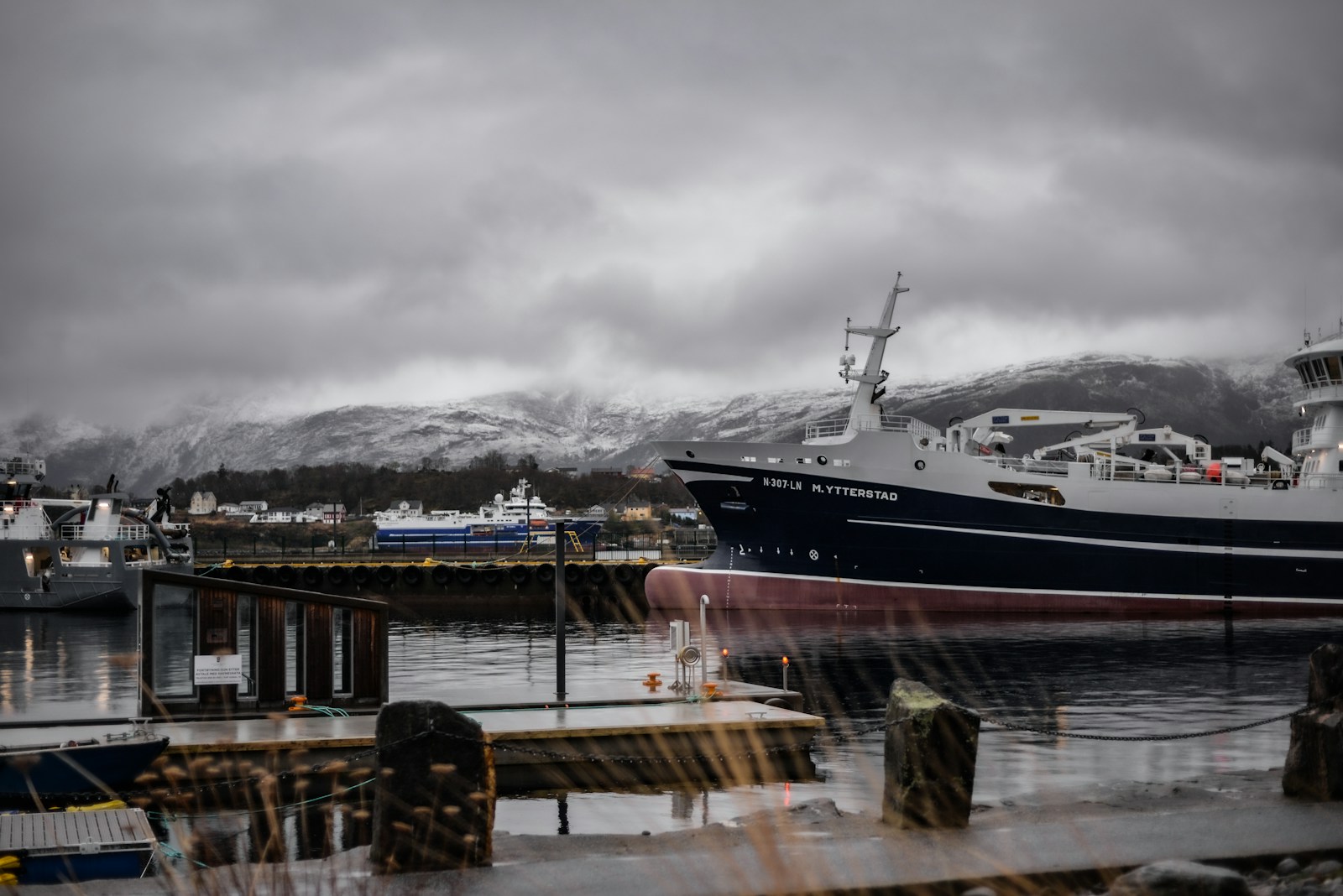
And there are boats that head out from town in the evening into the fjords. The advantage is obvious: less city light, more open sky, and the scenery itself becomes part of the experience. In Tromsø, Brim Explorer for instance runs an evening cruise combining dinner, on a quiet electric vessel.
And what about a voyage of several days?
Photo: Darya Tryfanava / Unsplash
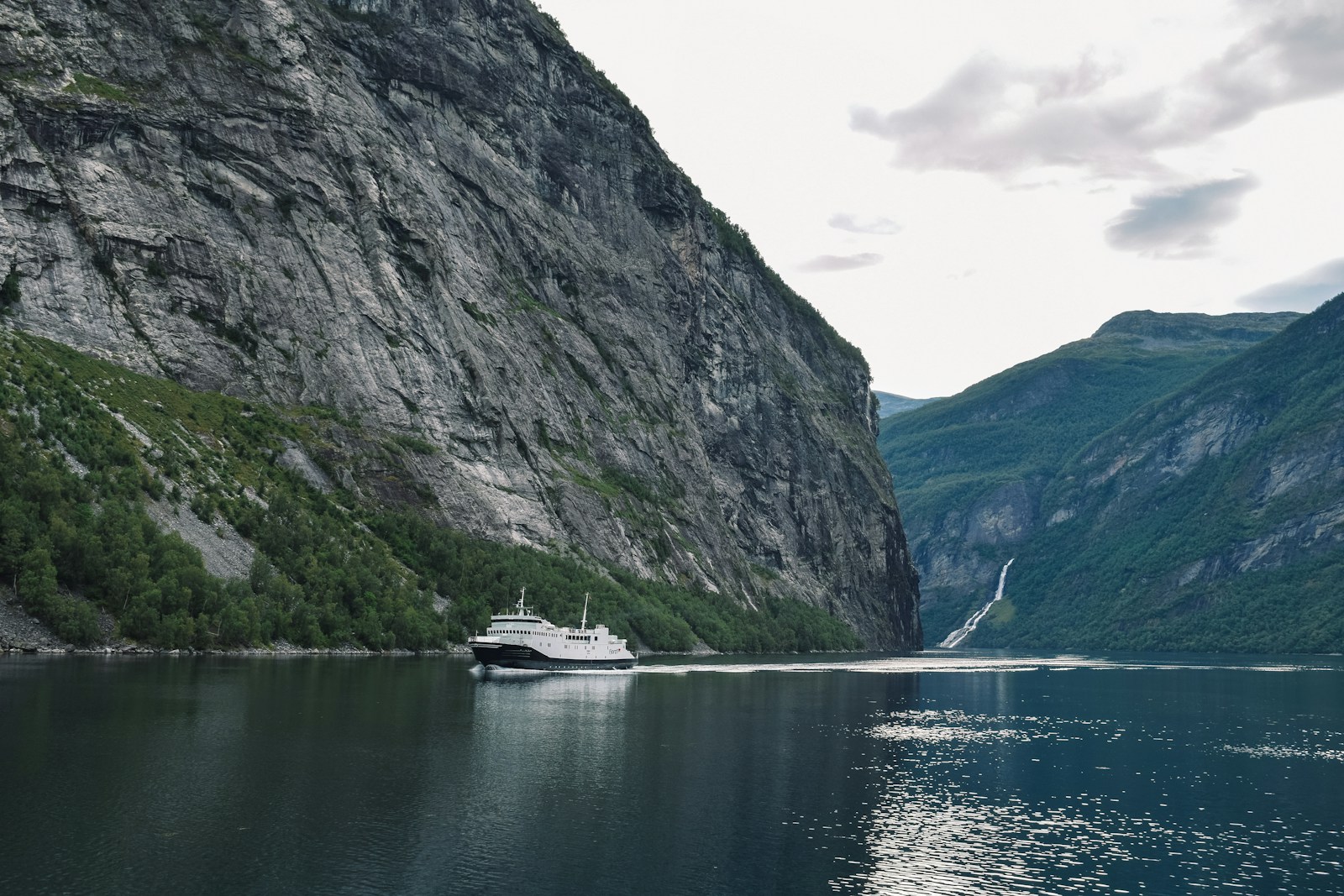
Here there is an entirely different option. Instead of going out from town for three or four hours, you can make the whole trip an aurora voyage along the Norwegian coast, including areas deep inside the Arctic Circle.
The main advantage is that the ship changes position every day. It is not waiting in the same town for the same weather. If one area is covered in cloud, the voyage carries on to another.
On some longer voyages in aurora season there is also a commercial undertaking: if no aurora sighting is recorded from the ship during a qualifying voyage, the passenger receives an additional voyage. That is not a promise the sky will perform, it is compensation if it did not. And that is an important difference.
A ship is not necessarily the better way, it is simply a different way. If the cloud forecast shows clear skies deep inland, a car can drive there and a ship cannot. If the sea is the clearer side, the voyage wins.
Rovaniemi and Lapland: when the holiday does not rest on the night alone
Photo: Jonas Degener / Unsplash
According to Rovaniemi's official tourism body, the aurora can be seen in the area from late August to early April.
Here too you can see an aurora from an urban area when conditions are good, but artificial light reduces the contrast. The local tourist board points, for example, to the area behind the Arktikum museum as a relatively dark viewing spot, about ten to fifteen minutes' walk from the centre.
Best for: Families with children, and anyone who wants two consecutive overcast nights not to ruin the holiday.
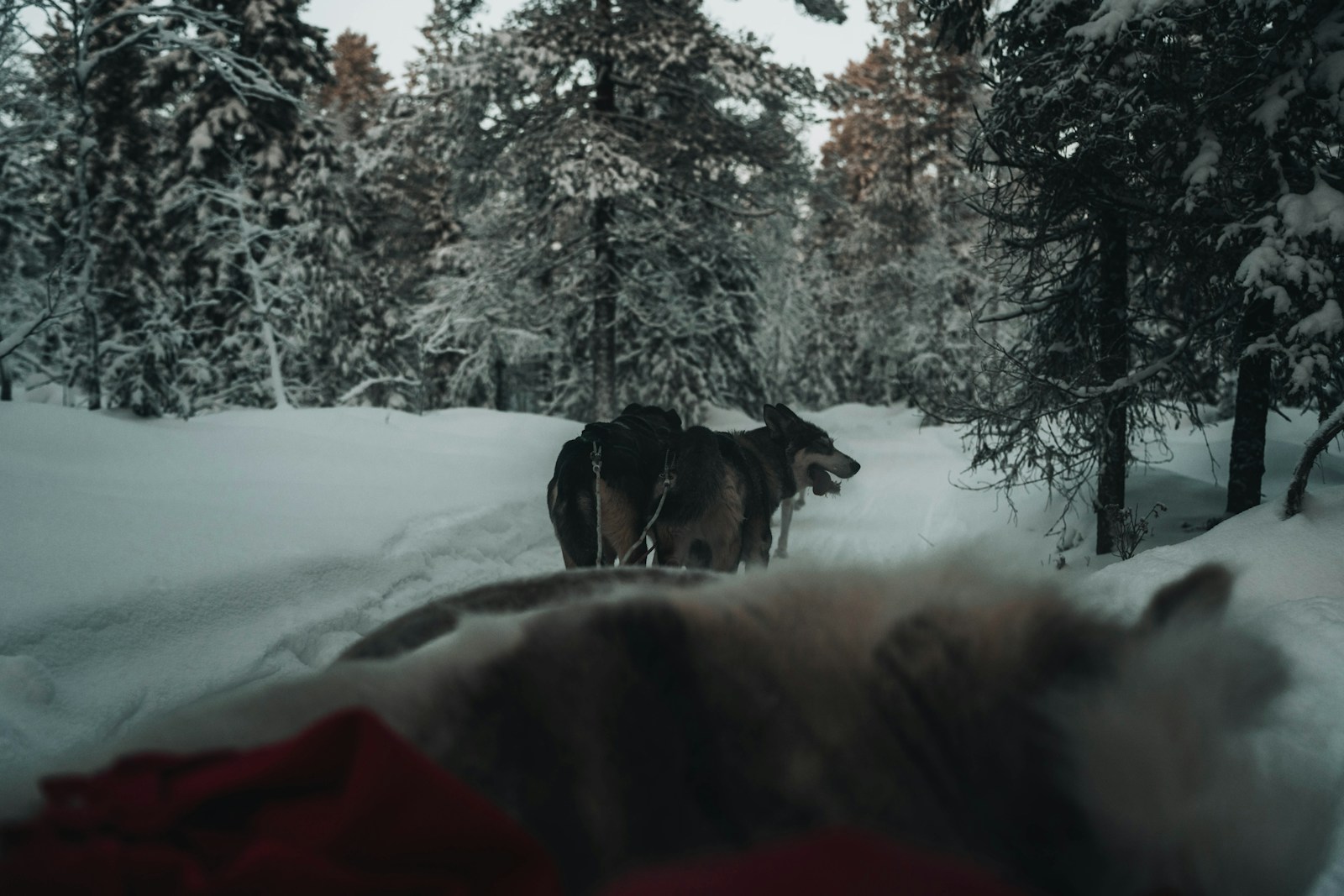
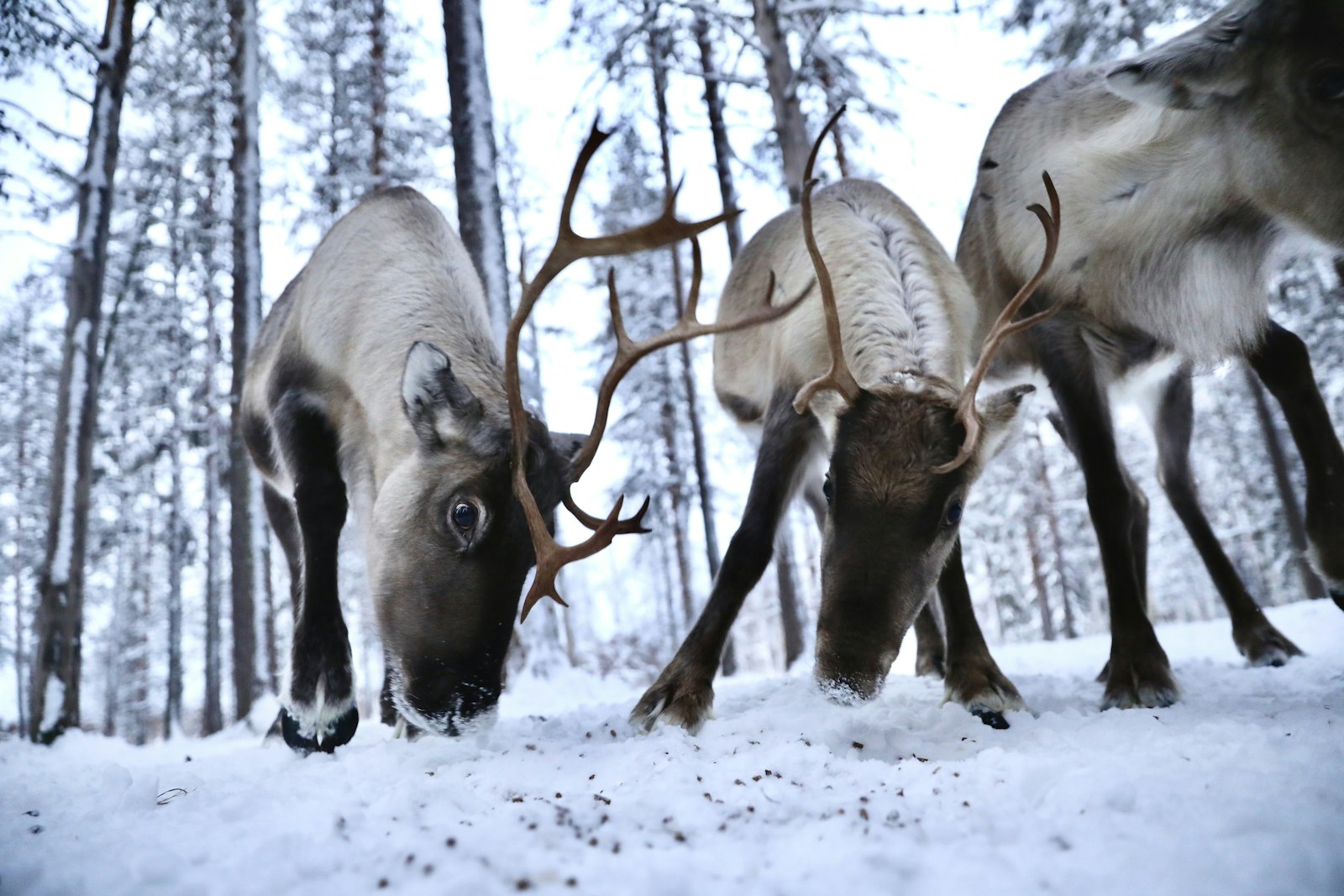
It is a trip that is easy to make a family one. You can combine northern lights, snow, reindeer, huskies, Santa Claus, sauna, and even a stay in cabins or units with glass windows.
So anyone travelling with children may prefer it to a holiday built almost entirely on night-time aurora chases.
And what about Iceland?
Photo: Jonatan Pie / Unsplash
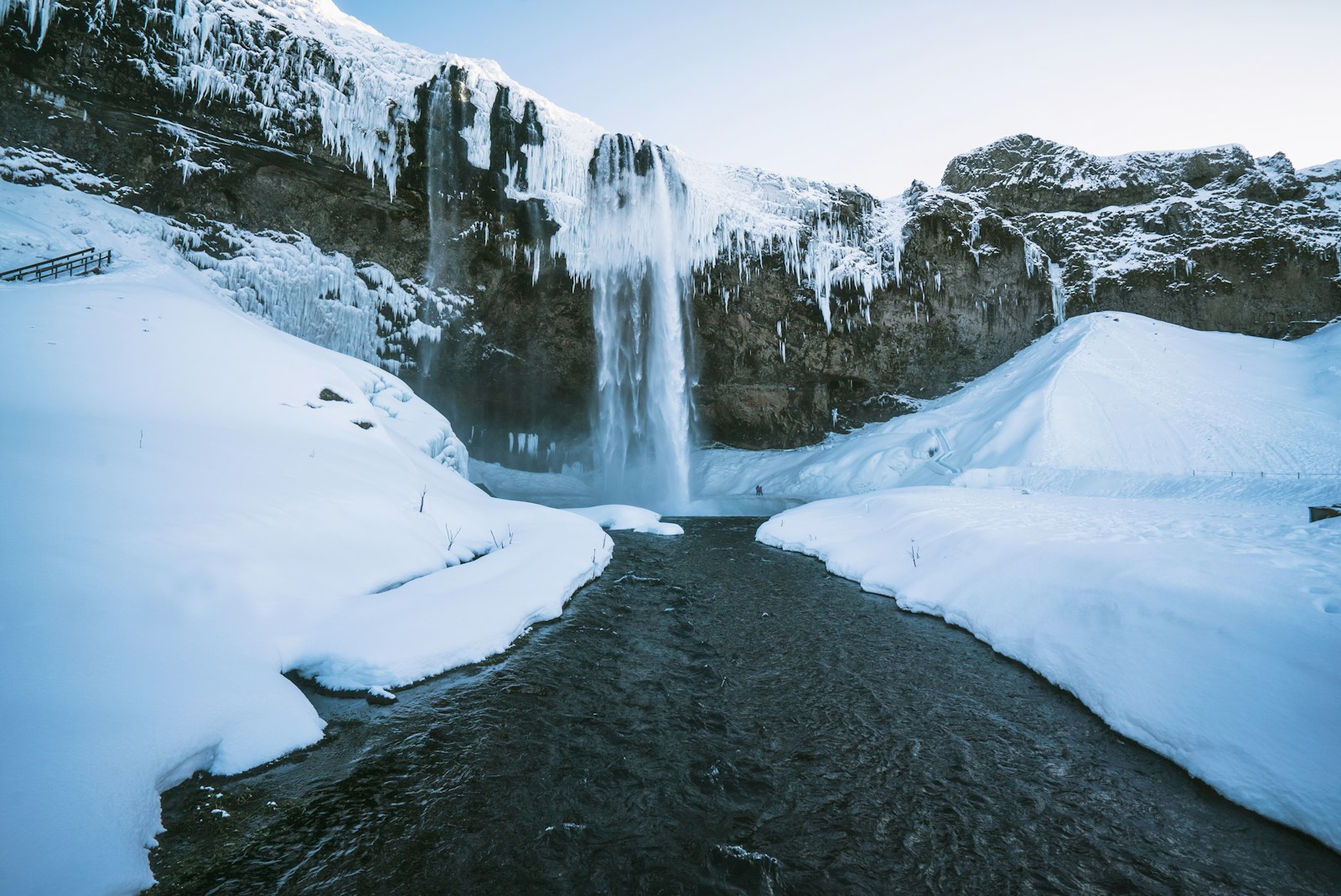
Iceland offers a different experience. The advantage is that you can combine the aurora with waterfalls, glaciers, volcanic beaches and hot springs, and sometimes set out in a different direction each evening according to the cloud.
The most convenient base is usually Reykjavík (opens in a new tab), and you head out from there according to the forecast.
But do not choose a destination purely on "where you see the most aurora". You also need to think about what you will do during the day, how easy it is to get there, what the hotel costs, whether you want a town or nature, whether you are travelling with children, and whether you are willing to drive in snow.
And what about glass hotels?
Photo: Dennis Zhang / Unsplash
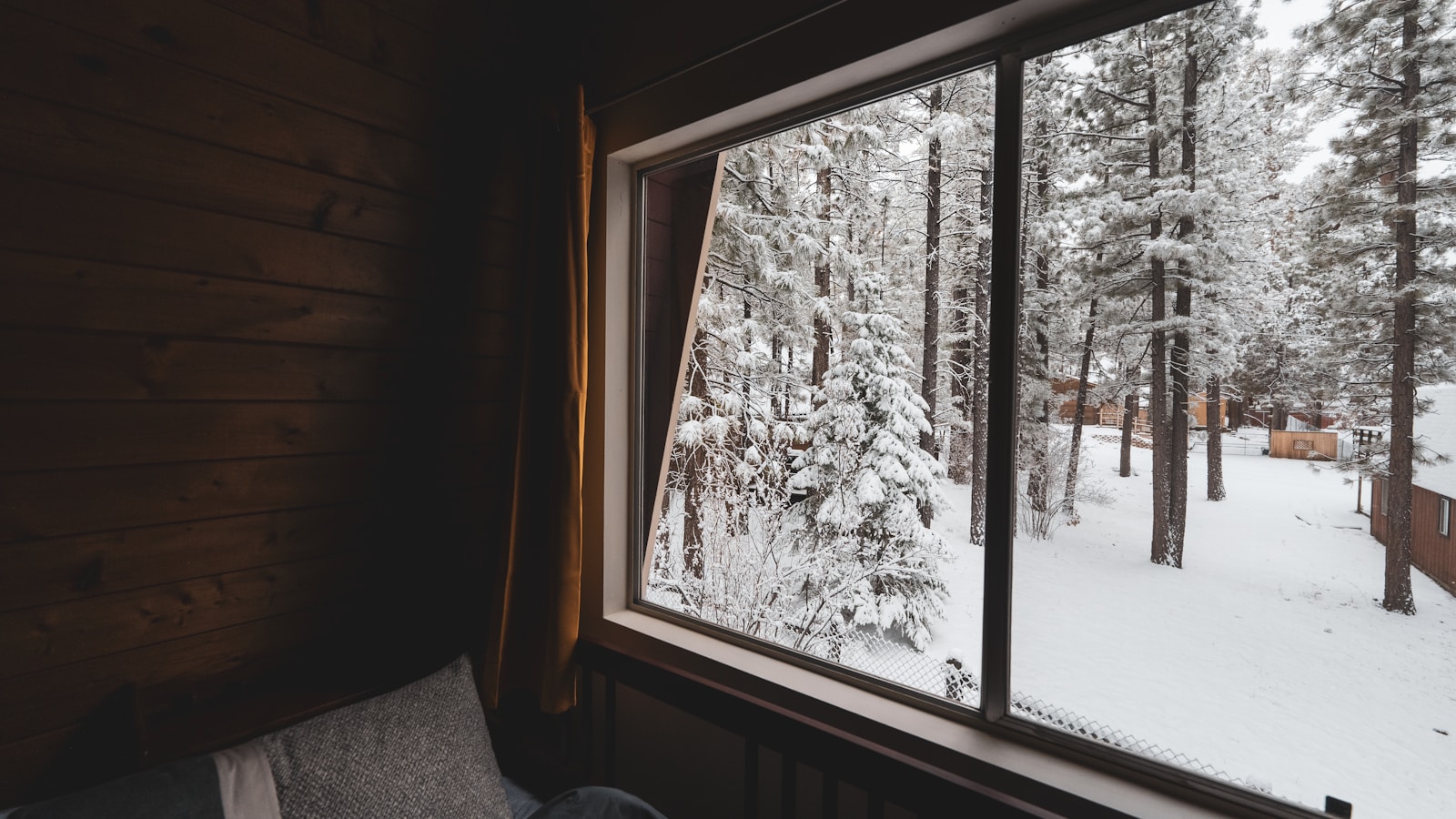
This is one of the big trends in the field: glass igloos, aurora cabins, panorama cabins. A hotel that lets you lie in bed and watch the sky. It sounds perfect.
But it matters to understand: glass does not create an aurora. If the sky is overcast, you will not see it. If activity is very weak, the room does not change the physics.
The real advantage is convenience. If the aurora appears at two in the morning, you do not have to set out on an hour's drive. You can be outside within a minute, and sometimes see it from the bed.
Where the hotel does change your odds
In location: a hotel away from town lights gives you darker skies.
In an open field of view, especially towards the north.
And in the absence of tall buildings or a mountain hiding a large part of the sky.
Sherry’s Take
Before booking an "aurora hotel", check more than a photograph of a glass dome. Ask Sherry whether the hotel sits in a brightly lit area, whether you can walk out into open ground, and whether the location makes sense if you have no car.
Five mistakes I would not make
The aurora is one of the few things you cannot buy. You can buy a flight, a hotel, a glass cabin, a boat, a guide and dinner in a fjord. But you cannot buy the moment the sky turns green.
The five mistakes
Coming for one night only.
Choosing a hotel purely because of a photograph of an aurora above it.
Looking only at KP and not at cloud cover.
Believing a tour guarantees an aurora.
And not planning what to do by day if there is no aurora at all for two nights.
Sherry’s Take
The question is not where someone promises me the northern lights, because no such place exists. The question is where I build myself the best odds and the best experience, even if the sky decides to wait another night.
So how do you choose? If you want an excellent city base with plenty of aurora tours, Tromsø. If you want a full Lapland holiday that also suits families, Rovaniemi. If you want a road trip and dramatic scenery regardless of the aurora, Iceland. And if you want the search to be part of a voyage lasting days, the Norwegian coast by ship.
Official information on the aurora season can be found through the tourist boards of Tromsø and Rovaniemi, and information on evening cruises and long coastal voyages through operators such as Brim Explorer and Hurtigruten. These are not SherryStay partners and the names are given for information only.
What you can do is plan more intelligently, to give nature more chances to surprise you: stay several nights, check the cloud, get away from the town lights, be ready to move, and sometimes even board a ship and let the Arctic coastline move around you for days.
Frequently asked questions about chasing the northern lights
When is the season for seeing the northern lights?
The season is built around darkness. In Tromsø the aurora can usually be seen from September to April, and around Rovaniemi from late August to early April, depending on weather and solar activity. In the middle of the Arctic summer there is barely enough darkness, so there is no season.
How many nights do you need to leave to see an aurora?
If the aurora is the point of the trip, three to four nights is a sensible minimum, and more is better. The reason is that you need three conditions on the same night: activity, darkness and skies clear of cloud. Tromsø's tourist board puts it simply: the more days you have, the greater the chance the weather cooperates.
Is checking the KP index enough?
No. KP measures geomagnetic activity, but in the far north you can see an aurora even when KP is not high, because you are already inside the aurora oval. On the other hand, overcast skies will cancel a night with an excellent forecast. So check the cloud map at least as seriously.
Does a tour or a cruise guarantee I will see an aurora?
No, and no serious operator claims it. What a tour buys you is mobility, a guide who can read a cloud forecast, and darker skies outside town. Some longer coastal voyages carry a commercial undertaking of an additional voyage if no sighting is recorded, but that too is compensation rather than a promise.
Is a hotel with a glass dome worth paying for?
If you love the experience, yes, but not because it improves your odds. Glass does not create an aurora: under overcast skies you will see nothing. What it does give you is convenience, because if the aurora appears at two in the morning you do not need to set out on a drive. What genuinely affects the odds is location: distance from town lights and an open field of view.
Tromsø or Rovaniemi, which is better?
It depends who is travelling. Tromsø gives a comfortable city base with a wide choice of tours, road chases and evening cruises in the fjords. Rovaniemi suits families better, because it combines the aurora with reindeer, huskies, snow and sauna, so two overcast nights do not ruin the holiday.
Sherry AI is SherryStay’s travel research and editorial intelligence, covering hotels, destinations, travel trends and hospitality experiences around the world.