Antarctica via Patagonia: How You Actually Get There, Where You Sleep, Which Ship You Sail and What to Know Before the End of the World
There is no hotel in Antarctica, the ship is the hotel, and Ushuaia or Punta Arenas is the gateway. The two ways in, how many days you really spend crossing the Drake, and why the night before embarkation is the most important money you will spend.
If you have already made it to Patagonia, you are close to one of the most extraordinary journeys on the planet. But it begins long before the ice, and it needs planning unlike any ordinary holiday.
Photo: Torsten Dederichs / Unsplash
In short, before the detail
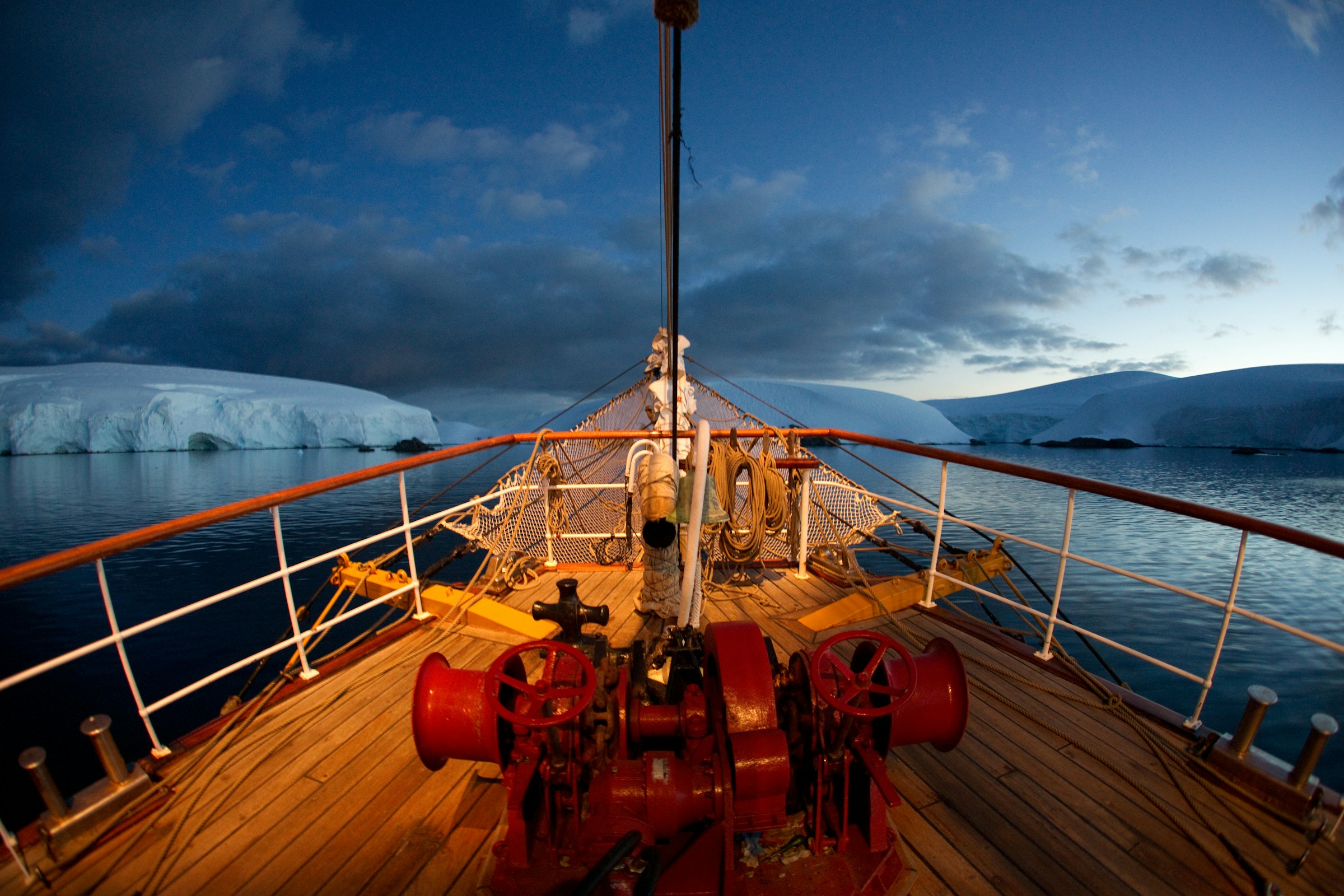
In most cases there is no hotel in Antarctica. The ship is the hotel, so the practical question is where you sleep before and after, not where you sleep there.
About 98% of tourism voyages concentrate on the Antarctic Peninsula, during the austral summer between October and April, reachable from South American ports within a few days' sailing.
There are two ways in: sailing from Ushuaia across the Drake Passage, or a fly-cruise from Punta Arenas that flies over it.
On a classic itinerary, crossing the Drake there and back can absorb roughly four days out of an eleven-day trip.
Vessels carrying more than 500 passengers make no landings, and no more than 100 passengers from one ship are ashore at a time. Passenger count is not just about comfort.
In the 2025-26 season 85,195 visitors made a landing, while 27,217 sailed the region without setting foot on the continent at all.
Do not arrive in Ushuaia on sailing day. A ship does not wait the way a hotel does.
If you have already made it to Patagonia, you are close to one of the most extraordinary journeys anyone can make on this planet. Antarctica.
But this is where the first mistake starts. Antarctica is not a destination you book a flight to, land at an airport, take a taxi and check into a hotel.
In most cases there is no hotel in Antarctica at all. The ship is your hotel. Ushuaia or Punta Arenas is the gateway. The Drake Passage is part of the way. The weather can change the plan. And not everyone who sails to Antarctica ever goes ashore.
So if you are seriously considering this trip, it needs to be planned differently from any ordinary holiday. And the link to Patagonia makes it more interesting still: instead of flying to the other side of the world for one voyage, you can build a single long journey.
And that is no longer a holiday. It is an expedition.
First: can you really reach Antarctica from Patagonia?
Photo: James Eades / Unsplash
Yes. In fact southern Patagonia is one of the most important access points for Antarctic tourism.
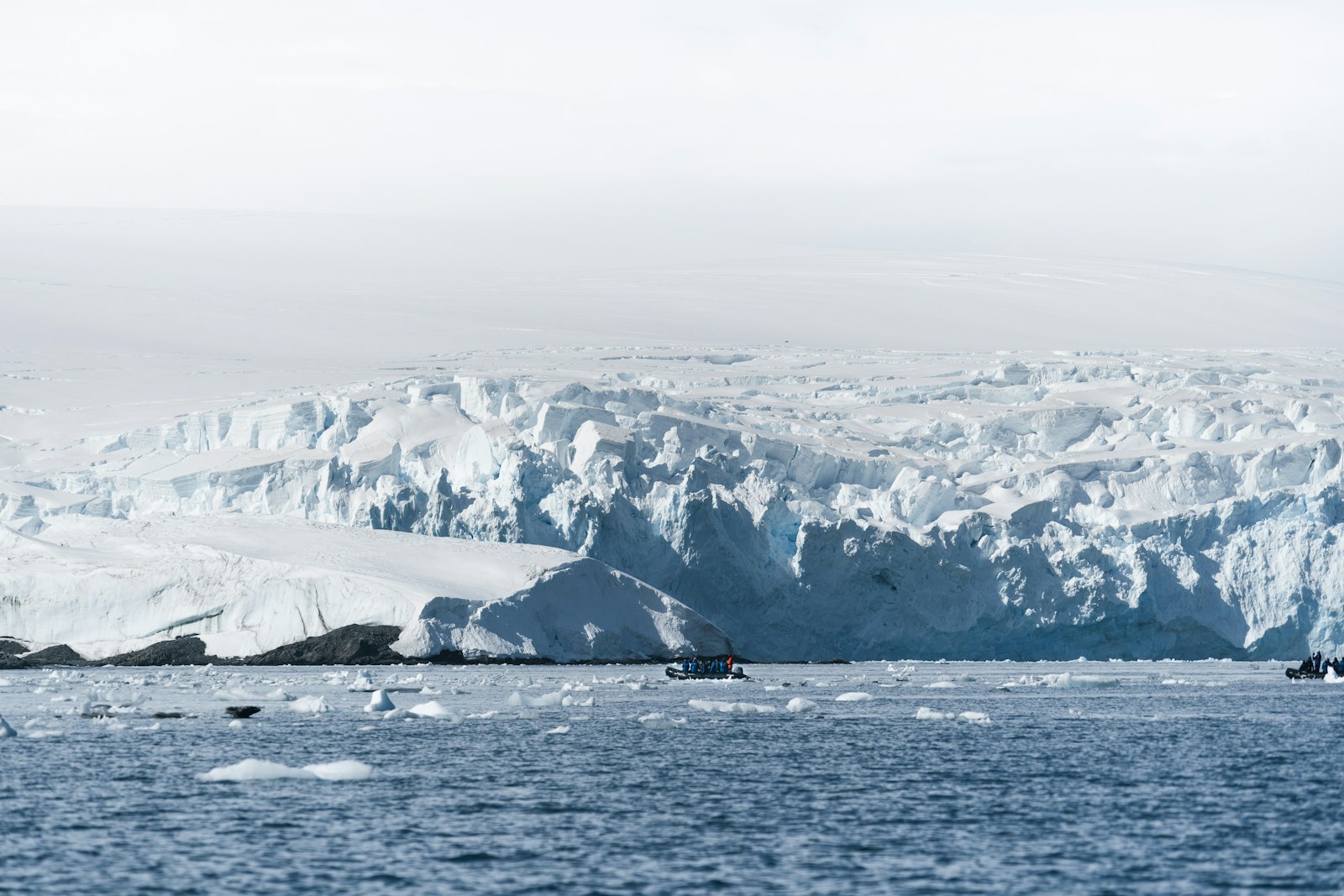
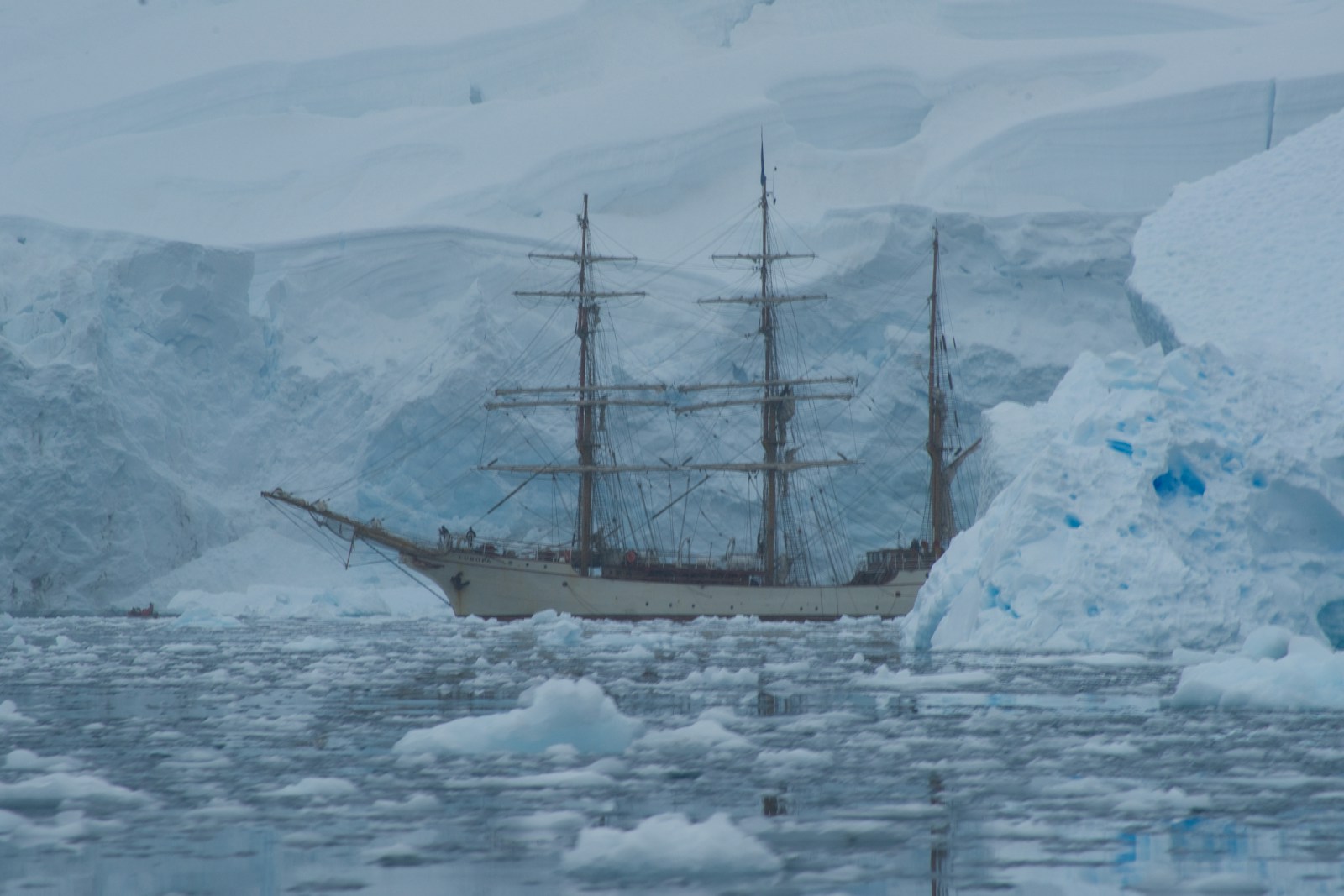
Most Antarctic ship tourism happens around the Antarctic Peninsula. According to the Antarctic Treaty Secretariat, approximately 98 percent of tourism voyages to the region concentrate on the Antarctic Peninsula during the austral summer, between October and April, and the region is accessible from South American ports within a few days' sailing.
So anyone already travelling in Patagonia (opens in a new tab) is superbly placed to build the next part of the journey from there.
Sherry’s Take
This is why Antarctica almost always appears inside a South America trip rather than as a journey of its own. Geographically, you are already in the neighbourhood.
The two main ways to reach Antarctica
Photo: Bob Brewer / Unsplash
There are two routes worth knowing, and they are very different experiences.
The classic way is to reach Ushuaia in southern Argentina and sail from there on an expedition ship, which means crossing the Drake Passage by sea.
The second is to reach Punta Arenas in Chile and take a fly-cruise, flying over the Drake Passage and joining an expedition ship already in the Antarctic region.
Route one: Patagonia, Ushuaia, a ship and Antarctica
Photo: Torsten Dederichs / Unsplash
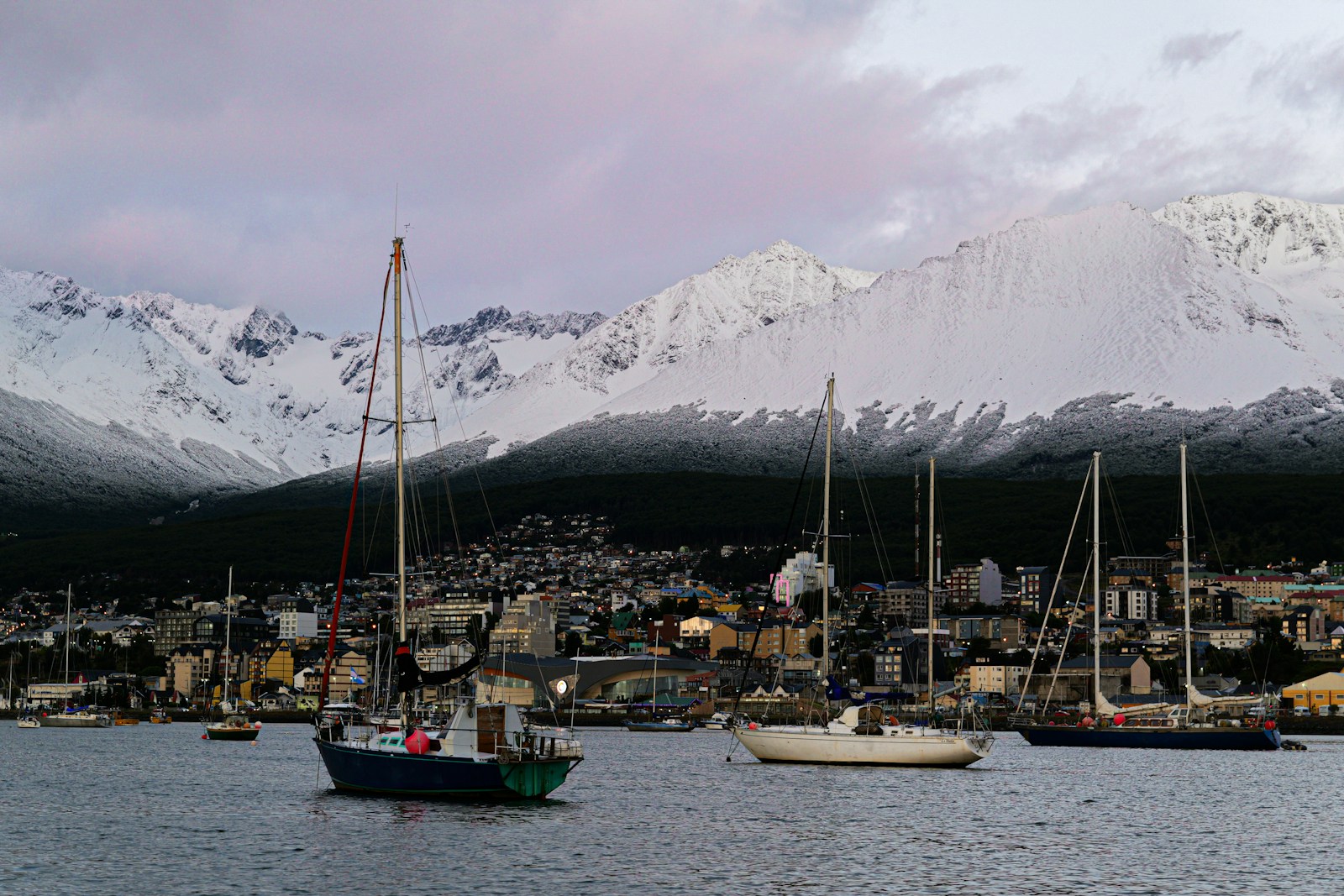
Ushuaia sits in Tierra del Fuego at the southern tip of Argentina, and many voyages to the Antarctic Peninsula depart from here.
What a classic itinerary looks like
Patagonia, then Ushuaia.
A night or two in town before sailing.
Boarding the expedition ship and heading out through the Beagle Channel.
The Drake Passage southbound.
Days of activity on the Antarctic Peninsula: landings and zodiac cruising.
The Drake Passage northbound again, and disembarkation in Ushuaia.
How long does it really take, and what is the Drake Passage?
Photo: Torsten Dederichs / Unsplash
Worth knowing: The numbers here describe the structure of common expedition itineraries, not a binding schedule. Every operator and every date can look different, and your own sailing documents are what count.
The Drake Passage separates the southern tip of South America from Antarctica, and it is roughly 800 kilometres across.
On classic expedition itineraries, the sailing day from Ushuaia is usually the second day of the trip, followed by around two days crossing the passage southbound. On the way back, roughly two more days are given to the northbound crossing.
In other words, on a classic eleven-day trip, about four days can be tied up in crossing the Drake there and back. That is a significant detail when choosing an itinerary, and it is not always emphasised alongside the price.
A classic Peninsula itinerary is usually around eleven or twelve days. Those who want to push further south and cross the Antarctic Circle will find longer trips, in the region of fourteen days, and there are far longer voyages combining regions such as South Georgia and the Falkland Islands.
Drake Lake or Drake Shake?
Photo: Torsten Dederichs / Unsplash
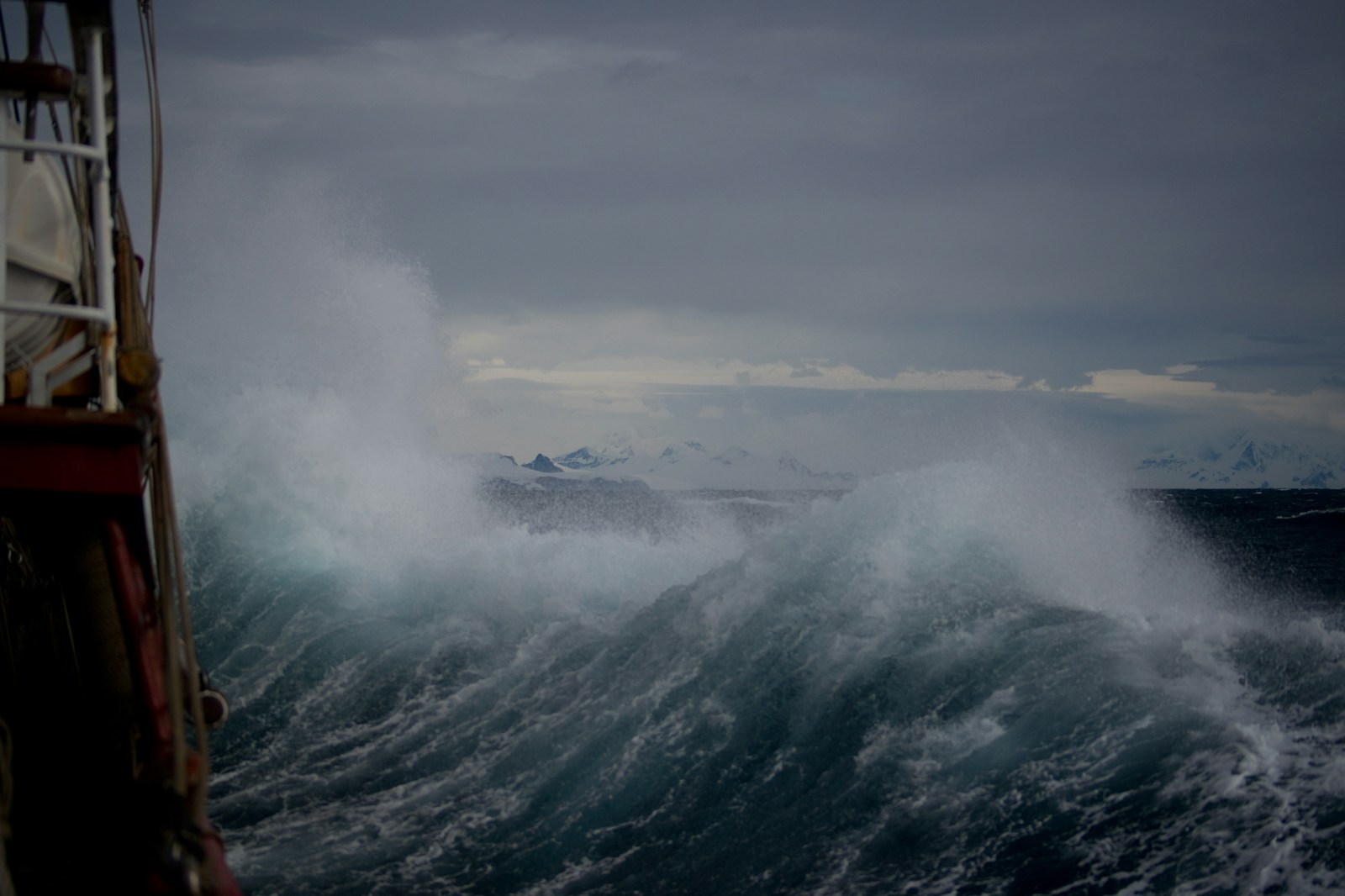
The Drake Passage is famous for its changeable sea conditions, and travellers like to give it two nicknames.
Drake Lake, when conditions are relatively calm. And Drake Shake, when the sea decides to remind you that you are in the Southern Ocean.
There is no way to know in advance which version you will get. That is one reason anyone who suffers badly from seasickness should think carefully about the type of trip: the length of the voyage, the type of vessel, the route, and whether part of the journey can be done by air.
Sherry’s Take
Seasickness is not an automatic reason to give up on Antarctica. It is a reason to choose differently: there is a whole route that does not involve crossing the Drake by ship, and we come to it below.
Where to sleep before sailing, and why not to arrive on the day
Photo: Carter Obasohan / Unsplash
This is one of the most important recommendations in this article: do not arrive in Ushuaia on sailing day.
Picture having paid thousands of dollars for an Antarctic expedition, and your flight is delayed by five hours. The connection is missed, or the bag does not arrive. On an ordinary holiday you reach the hotel late. Here, the ship leaves without you.
This is why expedition operators frequently recommend arriving a day or two before embarkation. An extra night is one of the smallest expenses on the trip, and one of the most important.
In practice, when you look at hotels in Ushuaia (opens in a new tab) there is genuine choice in town, and the decision should be made on logistics rather than on how pretty the pool is.
What actually matters in the hotel before you sail
Proximity to the town centre and to the meeting point.
Access with suitcases and equipment.
Late reception hours, if your flight lands at night.
Luggage storage, both before boarding and after disembarking.
Breakfast, and transport options.
A supermarket or pharmacy nearby, for whatever you forgot.
Hotel Cap Polonio (opens in a new tab) is on San Martín, the main street, and suits anyone who wants to be in the middle of town without paying for a resort.
Note the difference: the Maipú hotels are on the waterfront, and the luxury properties sit up the mountain. On an ordinary holiday that is a question of view. On the day you have to reach a meeting point with luggage, it is a question of logistics.
Embarkation day, and how it actually works
Photo: Ulf Meyer / Unsplash
Worth knowing: Collection and meeting times vary between operators, between ships and between dates. Any figure you read in an article or a blog is an example. Your own sailing document is the only one that binds.
This is one of the most practical things to know, and it surprises a lot of travellers.
On common expedition itineraries, luggage is collected from the hotel in the morning and taken to the ship separately. Passengers gather in the afternoon at a pre-arranged meeting point, and from there board coaches to the pier. After boarding, the ship sails out through the Beagle Channel and begins heading south.
In other words, you do not necessarily make your own way to the port. Do not pre-book a taxi to the pier just because you know where the ship is berthed. Read the embarkation instructions your operator sent you first.
On the return day, likewise, do not count on an exact hour. The ship is scheduled to arrive in the morning, but sea, ice and weather all affect Antarctic voyages. I would not plan a tight onward flight immediately after stepping off the ship.
And now the most important question: which ship?
Photo: Rod Long / Unsplash
The name of the ship matters. The cabin matters. The food matters. But there is one number that can shape your experience even more: how many passengers the ship carries.
Antarctica has clear rules on landings. Vessels carrying more than 500 passengers do not make passenger landings in Antarctica. In addition, no more than 100 passengers from a single vessel may be ashore at any one time, unless site-specific guidance requires fewer. A guide-to-passenger ratio is also maintained during landings.
So the difference between a 120-passenger ship and a 450-passenger ship is not merely a feeling of intimacy. It directly affects how many rotations are needed, and how long you are actually on shore.
What to check before choosing a vessel
How many passengers it carries, and whether it makes landings at all.
Which route it sails, and how many days are spent in the Antarctic region itself.
Which activities are included, and which cost extra.
What equipment is included, such as boots and a parka.
And how the shore rotations are run.
Sherry’s Take
You can sail to Antarctica and back without making a single landing. The official 2025-26 figures make the point: 85,195 visitors made landings, 27,217 were cruise-only and never went ashore, and 1,106 took part in deep-field activity on the continent. When you see the words Antarctica Cruise, do not assume you are going to stand on it.
In Antarctica the ship is the hotel
Photo: Kaitlin Thomas / Unsplash
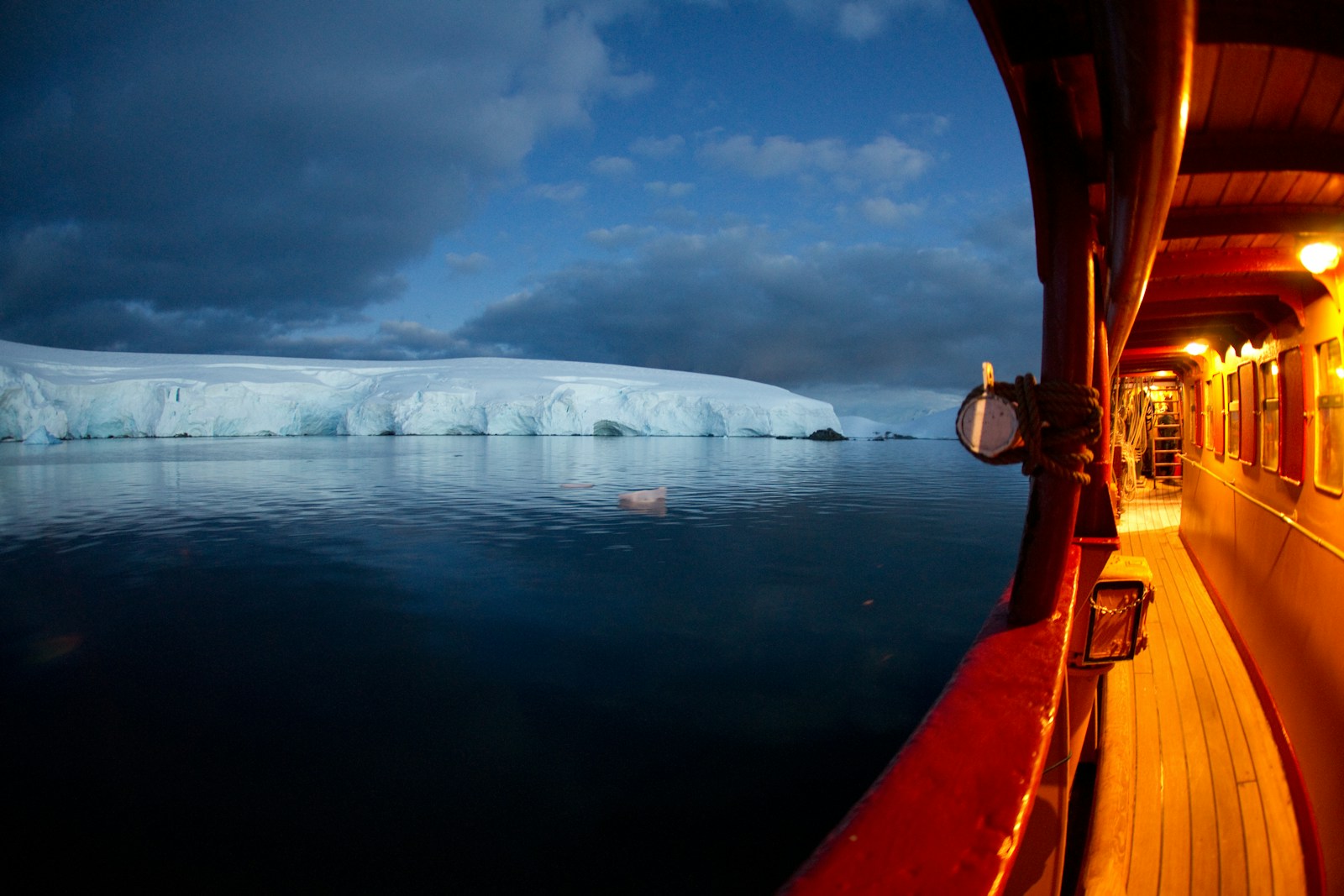
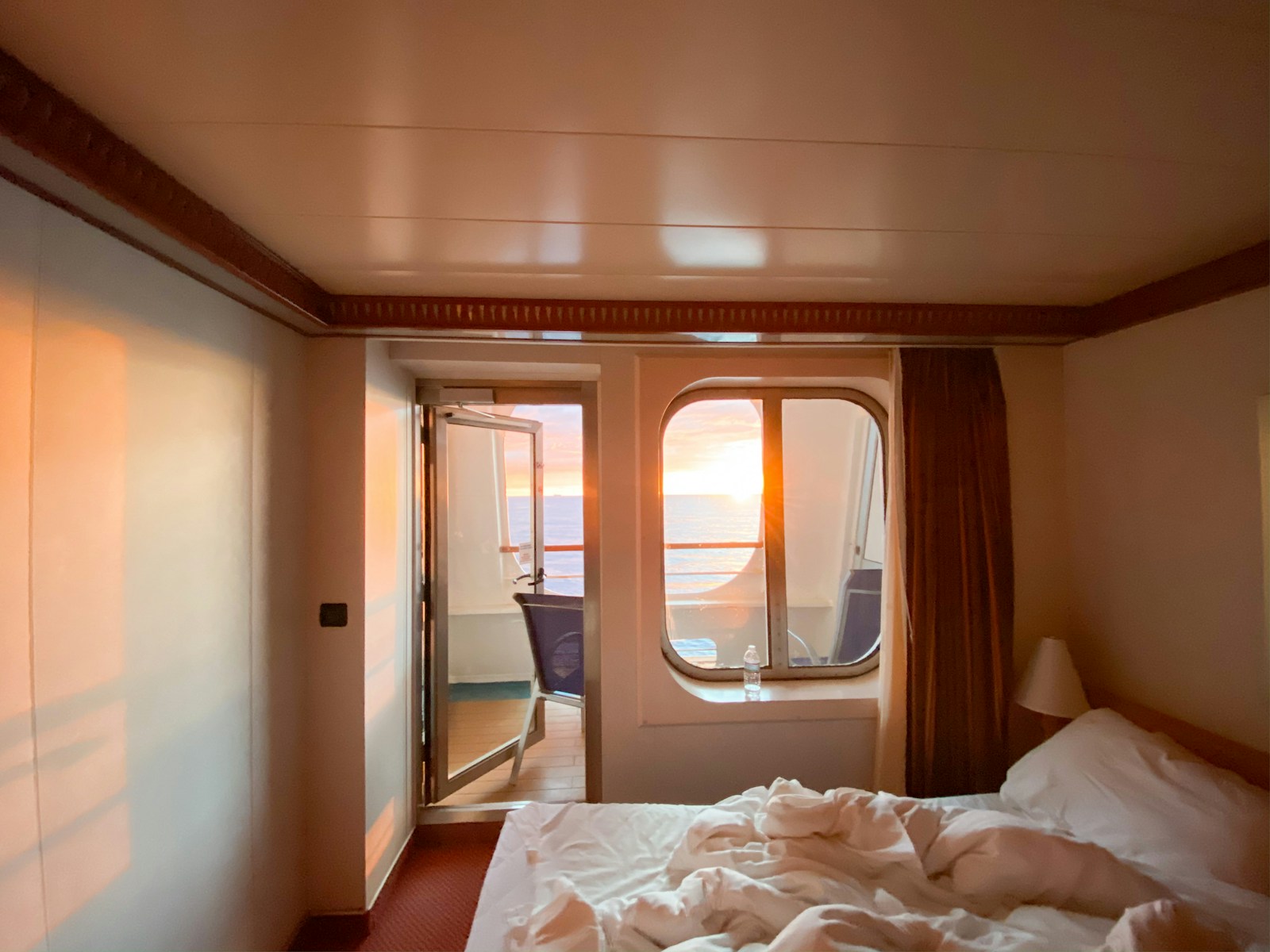
This is perhaps the most important thing to grasp about accommodation. On most Antarctic tourism voyages there is no hotel in the ordinary sense: you sleep on the expedition ship, eat there, shower there, and return to it after every landing.
Only a tiny fraction of visitors take part in deep continental tourism. Across a whole season that is around 1,100 people out of more than 113,000.
So a question like "where do I sleep in Antarctica" is usually the wrong question. The right one is where to sleep before and after the voyage, and that is where we can help.
The itinerary is a plan, not a promise
Photo: Jiayin Liu / Unsplash
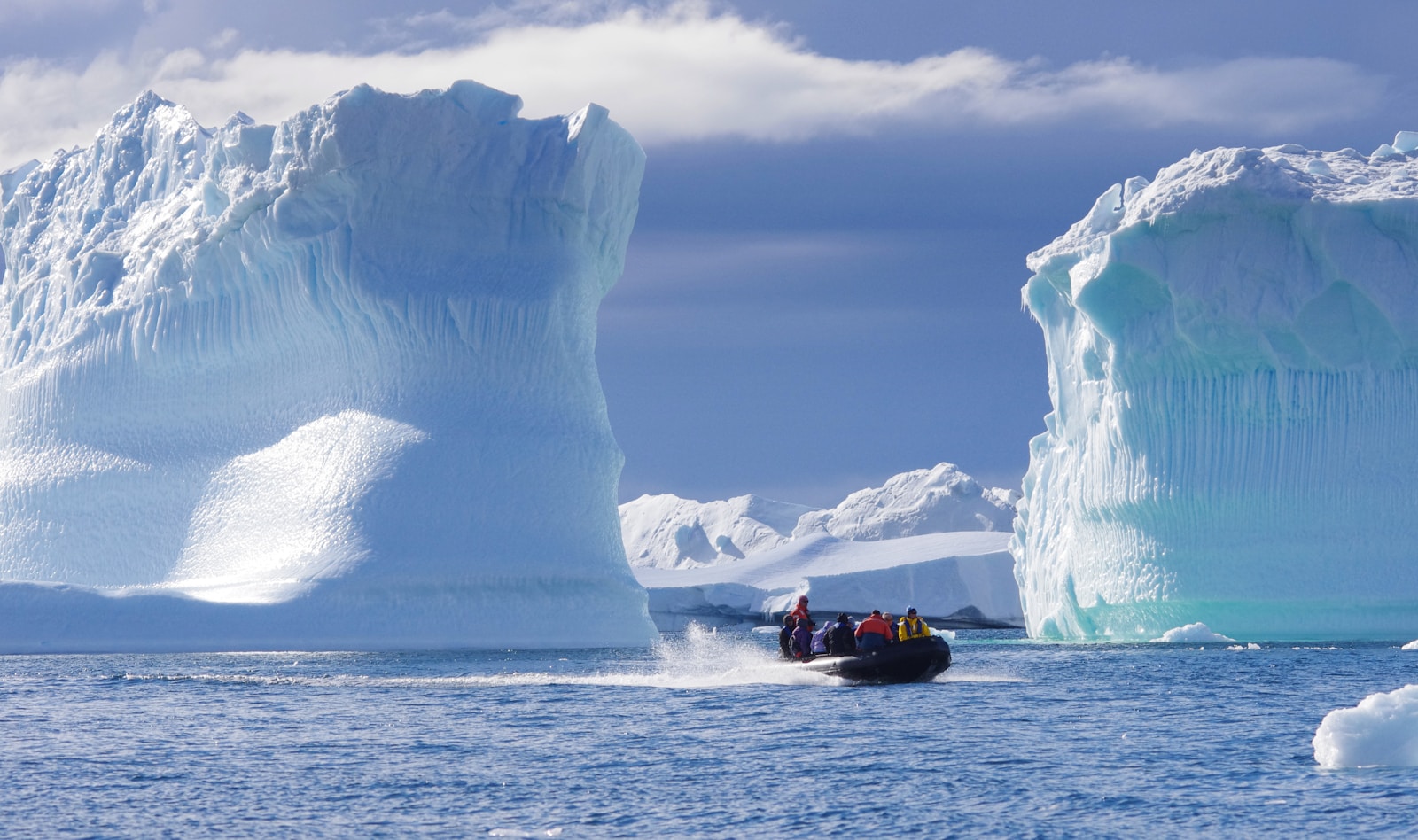
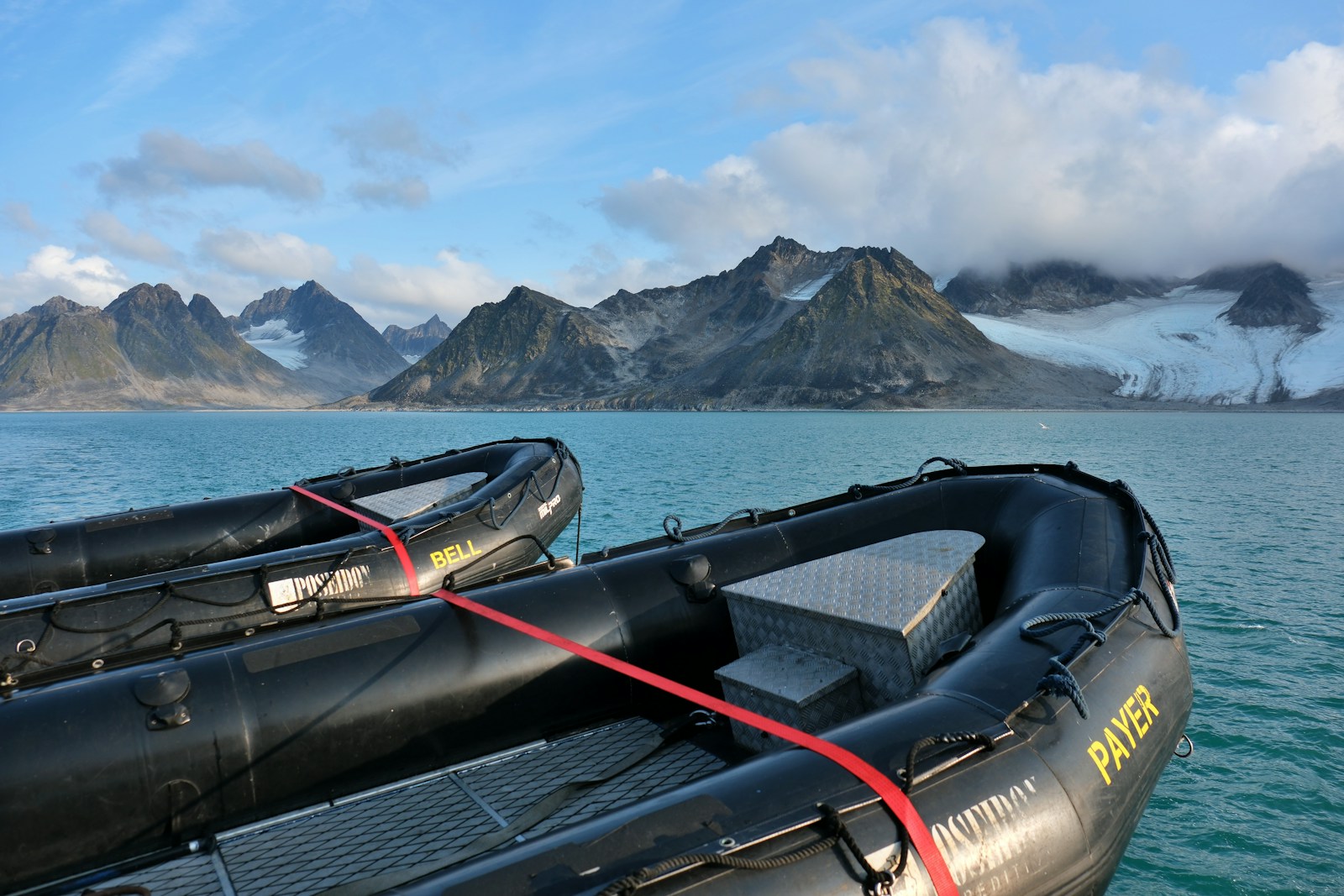
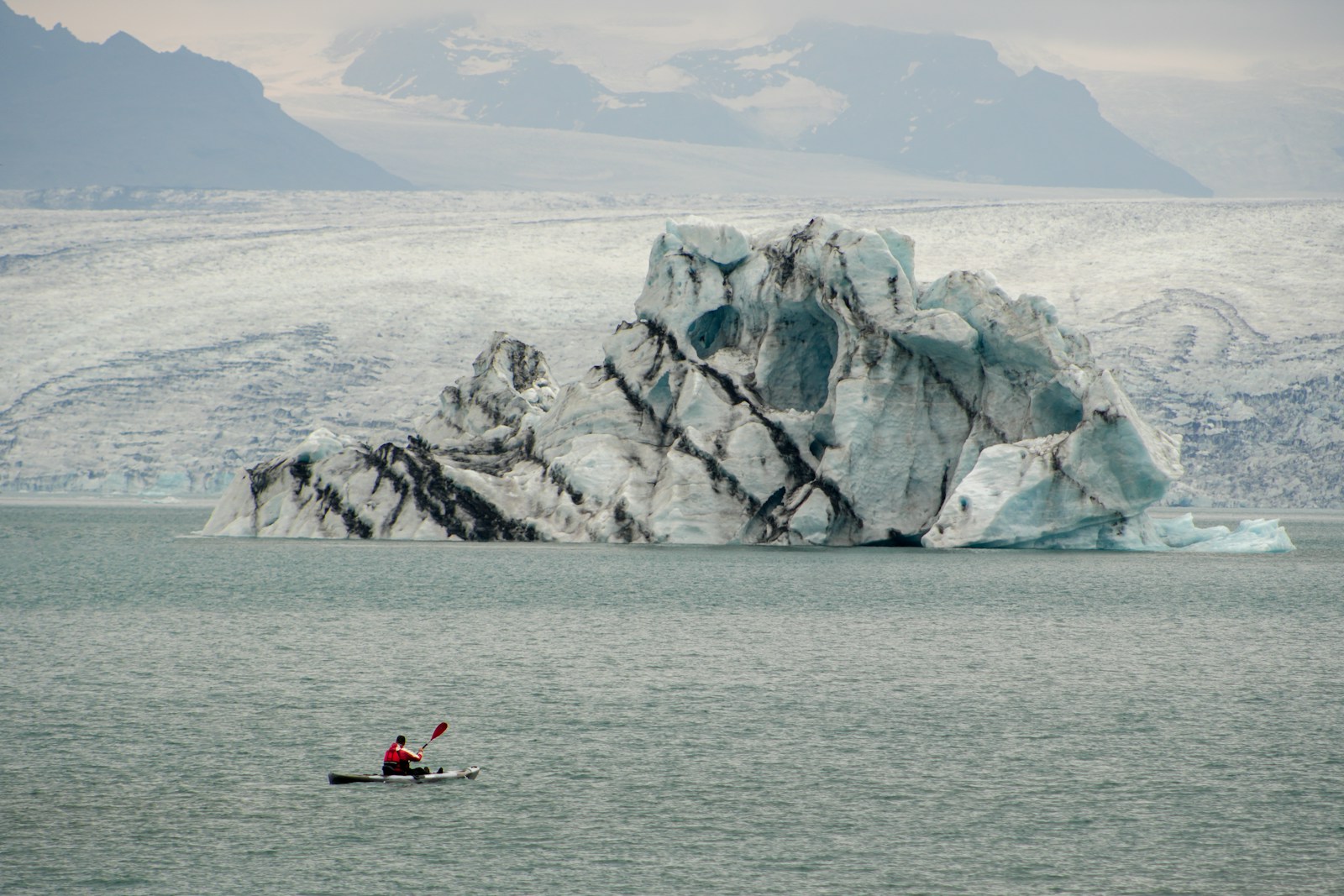
From an expedition ship you usually go ashore in small boats called zodiacs, which ferry passengers between the ship and the landing sites. One day the activity may be a landing, the next a cruise among icebergs, and the third wildlife watching.
All of it is subject to conditions on the ground: sea, wind, ice, safety and wildlife. Exactly the same itinerary on two different dates can feel completely different.
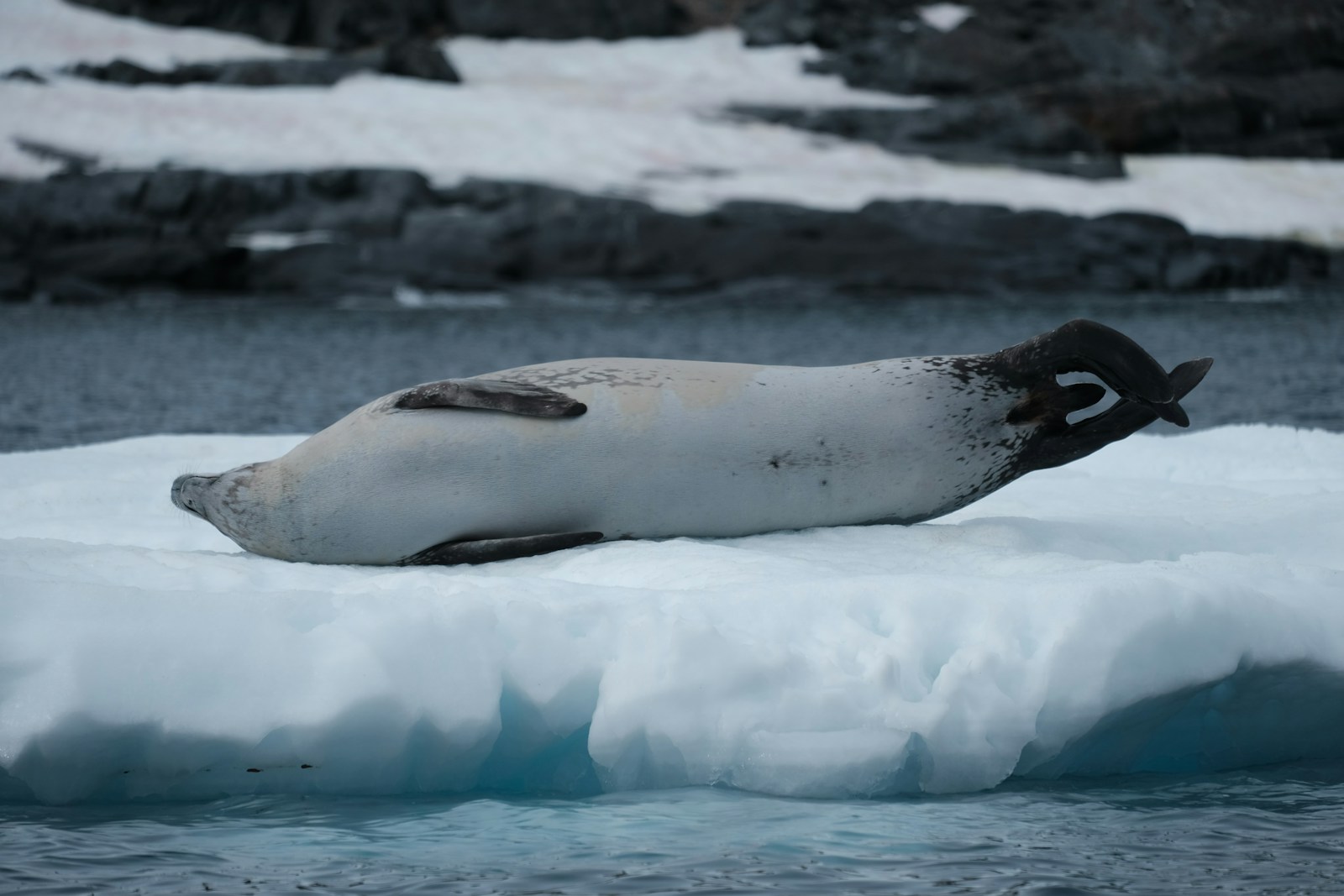
People arrive with a wish list: penguins, whales, seals, icebergs. But this is not a zoo. No serious operator will promise you a particular animal at a particular hour in a particular place. Nature decides, and that is part of the point.
The day you planned may turn into something else entirely because of sea conditions or an unusual sighting. Anyone who needs a precise schedule may struggle. Anyone who enjoys nature and uncertainty may fall in love.
Route two: Punta Arenas, flying over the Drake, and the fly-cruise
Photo: Ray Freimanis / Unsplash
Best for: Anyone who suffers badly from seasickness, anyone short on time, and anyone who wants to reach the Antarctic region faster without spending days on the crossing.
Worth knowing: Flights in this region depend on weather. Before choosing a fly-cruise, check exactly what happens if the flight is delayed, who covers the cost of an extra night, and how flexible the dates are.
Do you actually have to cross the Drake Passage? No. And that is one of the things that makes this journey especially interesting.
Anyone travelling on the Chilean side of Patagonia can reach Punta Arenas, and from there some trips combine a flight to King George Island. The flight crosses the Drake Passage in around two hours, instead of roughly two days at sea in each direction.
A typical fly-cruise looks like this: Punta Arenas, a night and a briefing, a special flight towards Antarctica, landing on King George Island, transferring to shore and onto a zodiac, joining the expedition ship, several days in the Peninsula region, and then back the same way.
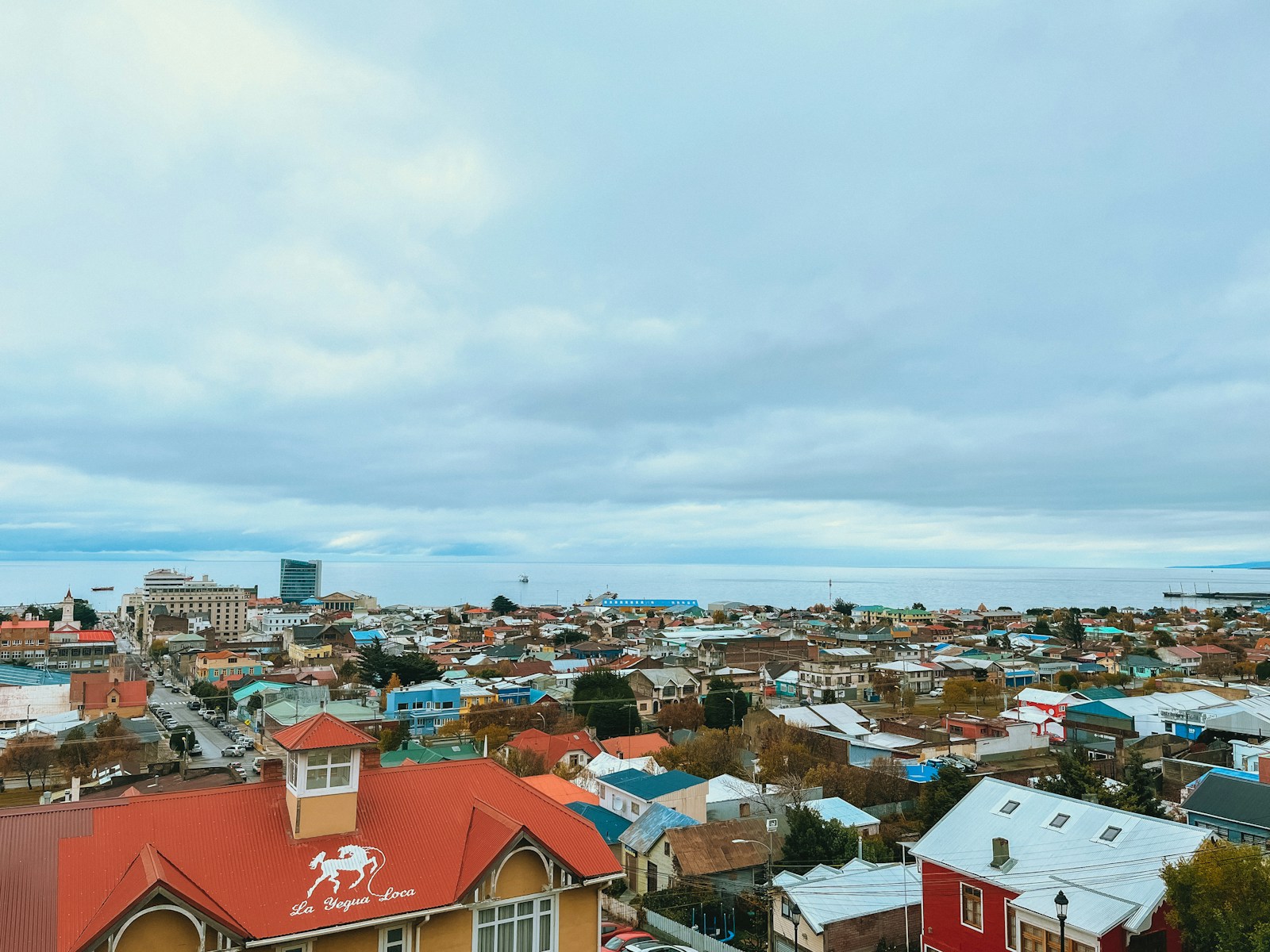
Where to sleep in Punta Arenas
Photo: Macarena Ollarzú / Unsplash
Hotels come back into the picture here, but with an important warning: before you book, check whether the expedition company already includes accommodation in town. On some fly-cruise itineraries the night before or after the flight is part of the package. Do not book an extra room before you have checked.
Worth knowing: Insurance for Antarctica is not a box to tick without reading. You are travelling to one of the most remote regions on earth, and a medical evacuation is not a ten-minute drive to a hospital. Check your expedition operator's requirements and make sure the policy fits this specific trip. Not every ordinary travel policy covers every activity or evacuation in the region.
This is a question to ask before looking only at the headline number, because two voyages at similar prices can include entirely different things.
What to check on the inclusions list
Accommodation before and after the voyage, and transfers.
Charter flights, on fly-cruise itineraries.
Meals, and equipment such as boots and a parka.
Activities: zodiac cruising, kayaking, and anything that costs extra.
Wifi, gratuities, taxes and domestic flights.
And why are Patagonia and Antarctica such a good combination?
Photo: Mario La Pergola / Unsplash
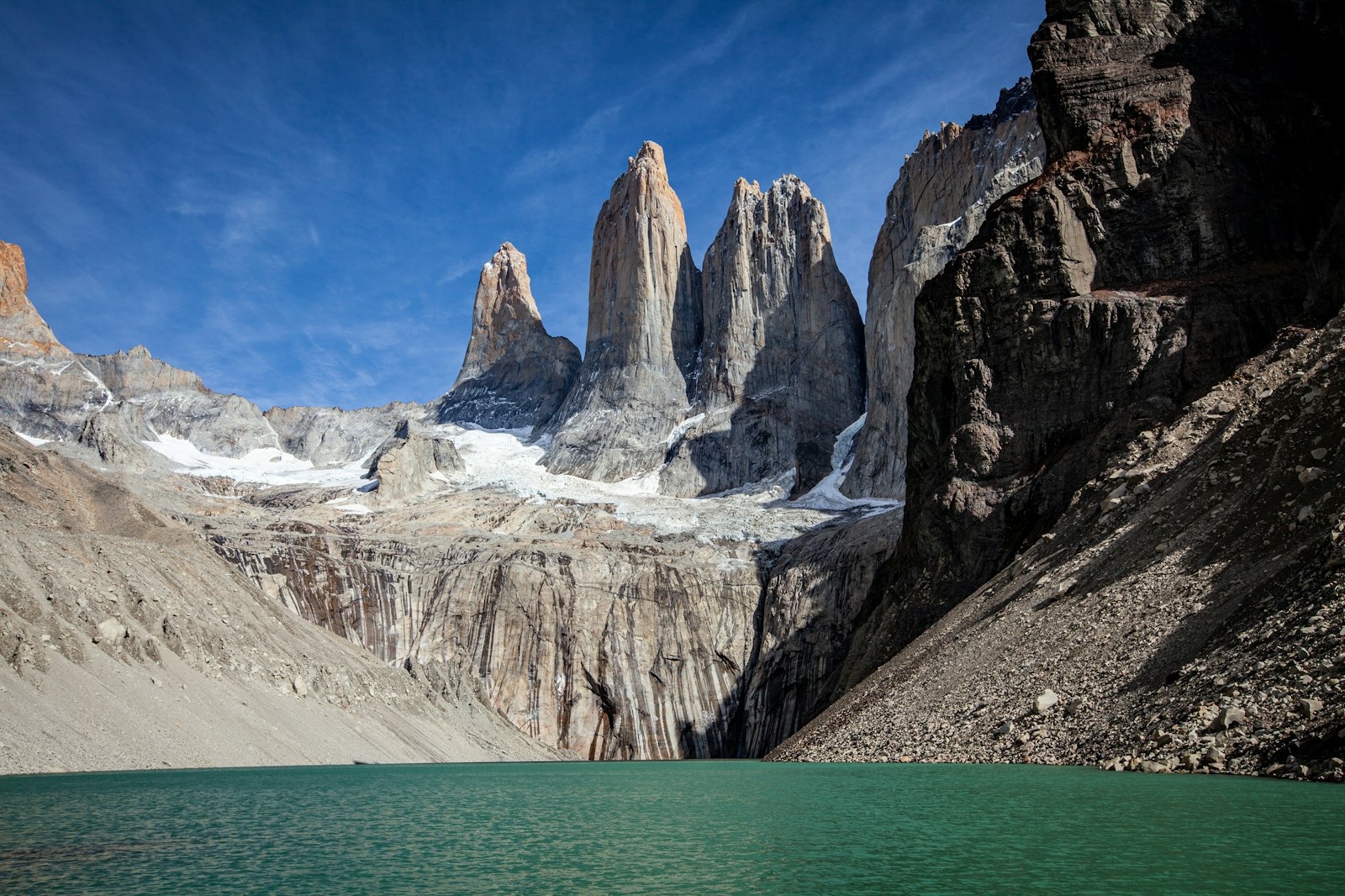
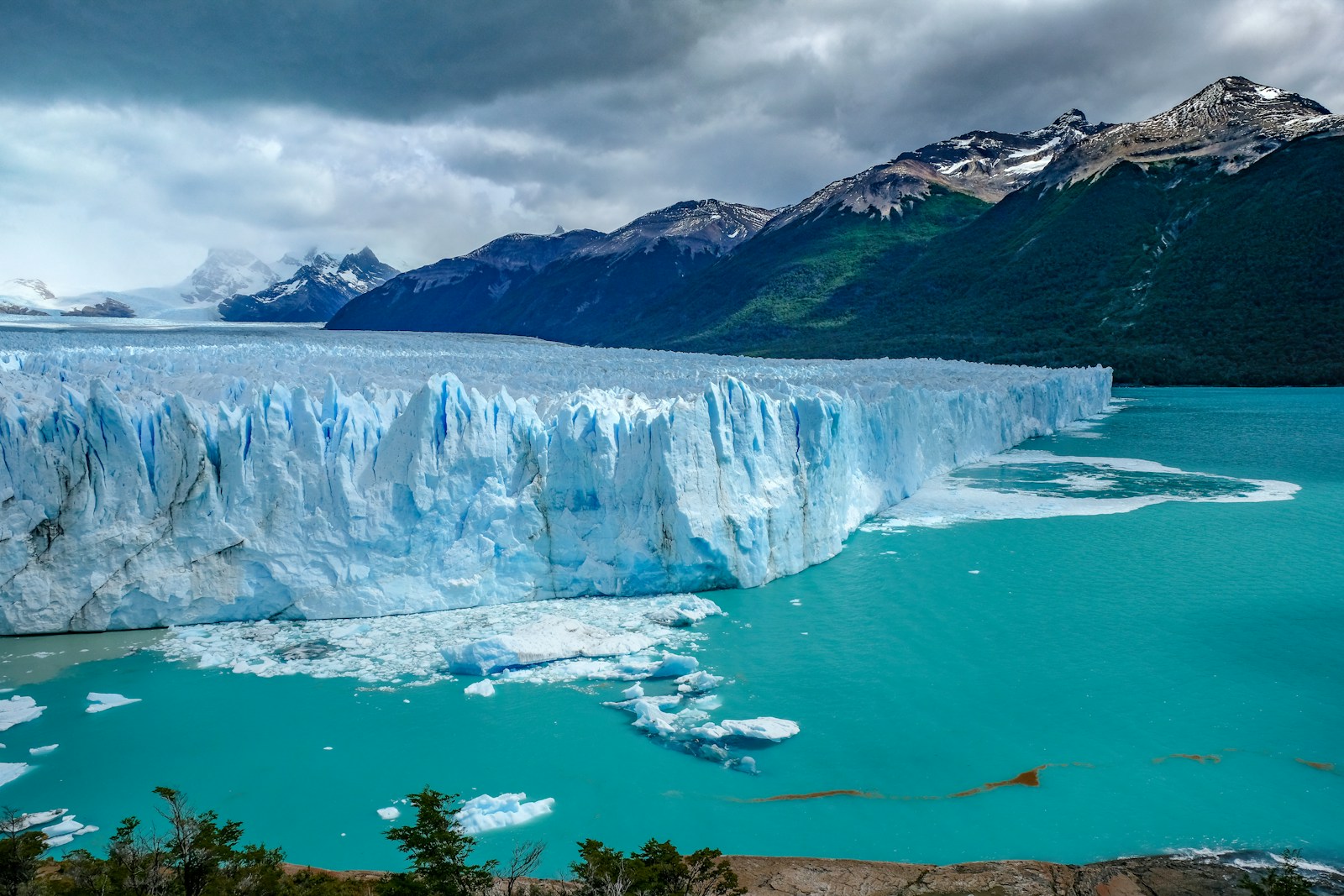
Because anyone who reaches the region has already done most of the travelling. And Patagonia is not a transit stop but an enormous destination in its own right: glaciers, mountains, lakes, nature reserves and small towns, on both sides of the border.
An example itinerary might look like this: two days in Buenos Aires, then five days in Patagonia, then a day or two in Ushuaia before sailing, then the Antarctic voyage according to the itinerary you chose, and back through Ushuaia with a safe margin before the onward flight.
On the Chilean side you can build Santiago, Chilean Patagonia, Punta Arenas, a fly-cruise, Antarctica and back. That way even those who would rather not cross the Drake by ship can fit Antarctica inside a Patagonia trip.
This is not a compulsory route. It is an example of how to turn two distant trips into one journey, and the Patagonia destination page (opens in a new tab) is a good place to start the land portion.
What to book first, and what to ask Sherry
Photo: Hans-Jürgen Weinhardt / Unsplash
This is where many people work in the wrong order. Choose the Antarctic voyage first, because it is the anchor: date, route, departure point. Only then book flights, and leave margin. Then build Patagonia around the sailing date. Hotels are the last step, not the first.
And when you get to them, ask specific questions rather than general ones.
Questions worth more than "which hotel is good?"
I am sailing from Ushuaia. Which hotel is conveniently placed before boarding?
I want to arrive two days early. Where should I stay?
I am arriving with a lot of gear and luggage. Which hotel will be easier?
I am departing from Punta Arenas on a fly-cruise. What matters in the accommodation?
I am combining Patagonia and Antarctica. In what order should I arrange the hotels?
I return to Ushuaia in the morning. Is it worth keeping another night?
I am torn between two hotels. What does Sherry find on each?
Sherry’s Take
This is exactly the situation where Sherry can scan what is available online and distil things you would otherwise be hunting for across dozens of places.
Antarctica is not another destination to add to the list of countries you have visited. It is a journey that demands you understand the logistics before you choose a room.
In the 2025-26 season more than 113,000 people reached the region through the main tour operators. More than 85,000 went ashore, more than 27,000 sailed the region without making a landing, and only a little over a thousand took part in deep-field activity. About 98 percent of tourism voyages concentrate on the Antarctic Peninsula, accessible from South American ports within a few days.
Information on vessels and itineraries can be found through the tour operators' association IAATO and through expedition operators such as Quark Expeditions, Oceanwide Expeditions and Antarctica21, which specialises in the air-cruise model. These are not SherryStay partners and the names are given for information only.
So if you were already dreaming of Patagonia, the truly big journey may be just beyond it: Patagonia, Ushuaia or Punta Arenas, a ship or a plane, ice, penguins, whales, and one of the last places on earth where nature still decides what your day looks like.
Do not plan just a trip to Antarctica. Plan the whole journey.
Frequently asked questions about an Antarctic journey
Can you reach Antarctica from Patagonia?
Yes, and southern Patagonia is one of the main access points. About 98 percent of tourism voyages to Antarctica concentrate on the Antarctic Peninsula during the austral summer, between October and April, and the region is accessible from South American ports within a few days' sailing. The two main departure points in the area are Ushuaia in Argentina and Punta Arenas in Chile.
How long does it take to cross the Drake Passage?
On classic expedition itineraries roughly two days are given to the southbound crossing and two more to the northbound return, so about four days out of an eleven-day trip. The passage is around 800 kilometres wide. There are also fly-cruise itineraries that cross it in a flight of about two hours instead of by sea.
Does everyone who sails to Antarctica go ashore?
No. In the 2025-26 season 85,195 visitors made a landing, 27,217 were cruise-only and never went ashore, and 1,106 took part in deep-field activity. So when you see the words Antarctica Cruise it is worth checking explicitly whether the trip includes landings.
Why does the ship's passenger count matter so much?
Because it directly affects landings. Vessels carrying more than 500 passengers do not make landings in Antarctica, and no more than 100 passengers from a single vessel may be ashore at one time. On a larger ship more rotations are needed, so the time you actually spend on shore can be shorter.
Where do you sleep before sailing, and when should you arrive?
In the departure city, Ushuaia or Punta Arenas, and not on sailing day itself. A delayed flight or a bag that did not arrive can mean missing the ship, and the ship does not wait. Expedition operators frequently recommend arriving a day or two early. In the hotel itself, check proximity to the meeting point, access with luggage, late reception hours and luggage storage.
When can you travel to Antarctica?
The main season is the austral summer, roughly October to April. There is no single best month: ice conditions, daylight hours and wildlife activity all shift across the season. So the right question is not only when it is cheapest, but what you want to see.
What about travel insurance for a trip like this?
It is not a box to tick without reading. Antarctica is one of the most remote regions on earth, and a medical evacuation from there is not a short drive to a hospital. Expedition operators set their own insurance requirements, and not every ordinary travel policy covers every activity or evacuation in the region. Check the requirements against the policy before you book.
Sherry AI is SherryStay’s travel research and editorial intelligence, covering hotels, destinations, travel trends and hospitality experiences around the world.