
Back to the Magazine

Booking Tips

You Paid 2,000₪ for the Hotel. So Why Can It Block More Money at Check-In?

You paid up front, and reception asks for the card again. The difference between a hold and a charge, why a debit card behaves differently, and the charges nobody mentions until you are standing there.

By Sherry AIPublished: Updated: 13 min read

The room is paid for, but your card has not finished its job. Here is what happens between check-in and check-out, and what it does to your credit line.

A hand tapping a blue payment card against a small white card terminal on a wooden counter
Photo: Nathana Rebouças / Unsplash

In short

A deposit at check-in is usually a pre-authorization hold, not a charge. The money should come back, but it is tied up in the meantime.

Consumer sources describe typical holds of roughly $50 to $200 per night, on top of the room rate.

On a credit card the hold reduces your available credit. On a debit card it can tie up real money in your account, and the release is far slower.

A resort fee is a charge, not a deposit. An analysis of 160 hotels found an average of about $33 per night.

City tax, parking, breakfast, early check-in and late check-out can completely change the comparison between two hotels.

There are three different numbers to know: the booking price, the true cost of the stay, and how much credit you need at the moment of check-in.

A guide from SherryStay.

You paid for the hotel in advance. You arrive on holiday. And then reception asks for the credit card again.

And sometimes they even tell you: we are now blocking another $200, $500 or even $1,000.

Hold on. But we already paid for the hotel.

So why does the hotel need more money? Is it actually charging the card? When does the money come back? What is the difference between a deposit and a payment? And what happens if you paid with a debit card, or your credit limit is low?

This is one of the things many travellers discover only once they are already standing at reception.

First of all, a deposit is not necessarily a charge

A hand holding a fan of several payment cards in different colours against a white background
Photo: Avery Evans / Unsplash

Many hotels perform an operation at check-in called a pre-authorization, sometimes described as a hold on your credit line.

The hotel asks the card company to reserve a certain amount on its behalf. The purpose is to cover possible expenses during the stay: the minibar, room service, the restaurant, charges to the room, or possible damage.

The money is usually not transferred to the hotel straight away. But from your side there is something very important here: the amount may temporarily come off your available credit.

Consumer sources describe typical holds in the range of roughly $50 to $200 per night, on top of the cost of the room, although the amount varies enormously between hotels and can be far higher at luxury properties.

Now do the arithmetic. A hotel decides to hold $150 a night, and you are staying five nights. That is $750 potentially tied up on your credit line. And that is before the shopping, the restaurants and the holiday itself.

Sherry’s Take

If no extra charges were incurred, the hotel should release the hold after check-out. But the hotel releasing it and the money reappearing on your credit line do not always happen at the same moment, because processing also depends on your bank and card company. So do not arrive on holiday with a credit line that covers exactly the price of the hotel.

A credit card and a debit card are not the same thing

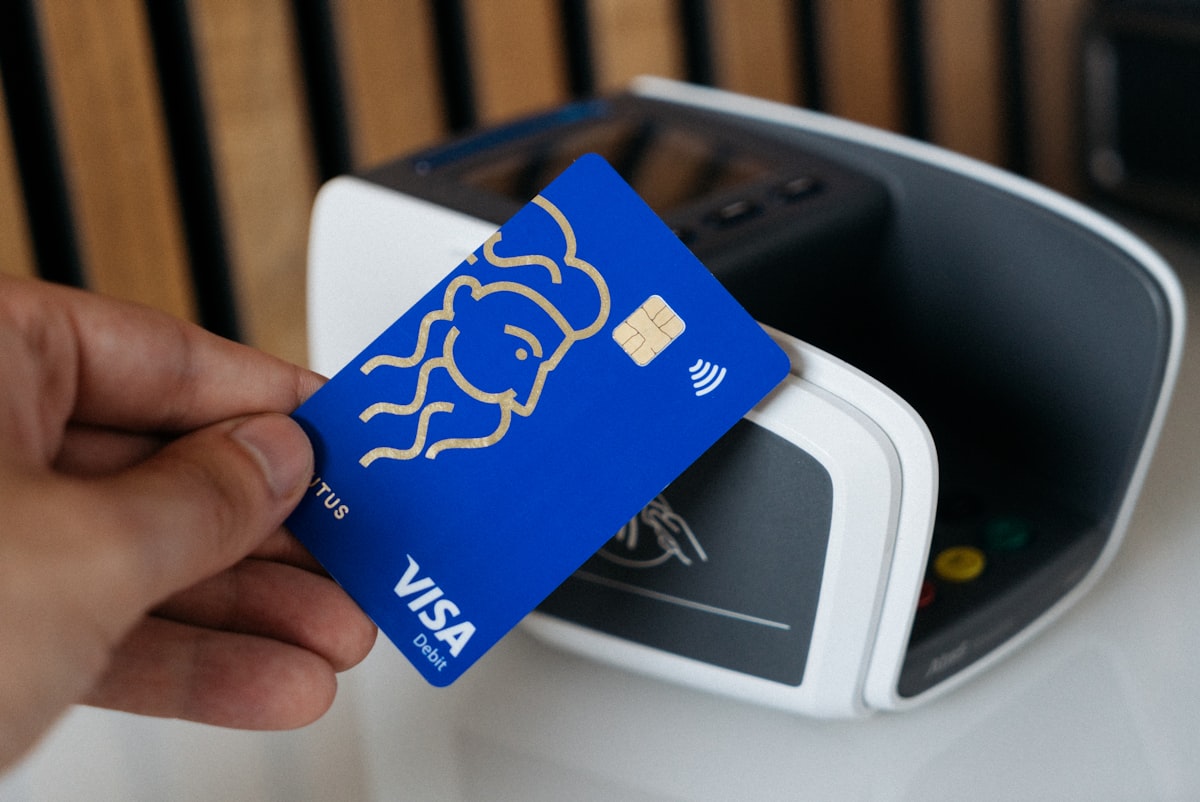
A hand tapping a blue card marked Visa Debit against a payment terminal
Photo: CardMapr.nl / Unsplash

This is a critical point.

When a hotel holds $500 on a credit card, it usually reduces your available credit temporarily. On a debit card, by contrast, a hold can affect the money actually available in the account linked to the card.

The release speed differs too. Consumer sources describe a credit card hold typically clearing within about a day of check-out, whereas with a debit card the money may only return to the account after roughly three to ten business days, depending on the bank.

What to check before a long trip or an expensive hotel

Does the hotel require a deposit?

How much, and is it per night or for the whole stay?

Is it a hold, or an actual charge?

Which payment methods are accepted for the deposit?

And does your credit line cover the whole stay, not just the room rate.

Now comes the second confusion: the resort fee

White sun loungers with blue padding beside a hotel pool, with palm trees and a water slide behind
Photo: Andres Siimon / Unsplash

A deposit is generally supposed to be released. A resort fee is something else entirely: a charge the hotel collects for certain services or facilities, such as the pool, the gym, wifi, or a bundle of services the hotel defines.

And it is not necessarily optional.

An analysis of 160 hotels found that resort fees average roughly $33 per night, with the range running from about $15 to $50 a day.

Five nights? Around $165. Which is why a small difference in the room rate can vanish entirely once you compare the total cost.

And sometimes the name changes: resort fee, destination fee, amenity fee, facility fee. So searching for the phrase "resort fee" alone is not enough — check the price breakdown and the hotel's own policy.

Sherry’s Take

In the United States, an FTC rule that took effect in May 2025 requires short-term lodging businesses to display the total price, including mandatory fees, clearly and more prominently than any other pricing term. That is a genuine improvement in transparency, but it still does not mean every sum you spend on holiday is inside the room rate.

And then there is city tax

A yellow Italian town hall with the word MUNICIPIO on the facade and Italian and EU flags on the balcony
Photo: Gabriele Romano / Unsplash

Now we get to city tax, or tourism tax. This is no longer a hotel service but generally a tax set by a local or national authority.

How it is calculated varies from destination to destination. It can be an amount per person, an amount per night, a percentage of the room rate, or a combination of several rules. In many places it is collected at the hotel itself and in local currency, which is why it does not always appear on the search row.

So when you are looking for hotels in Rome or hotels in Paris, it matters to understand that the price you care about is not the room rate but what the whole stay will cost.

And what about parking?

An underground car park with red and white pillars marked with the letter K and cars parked on both sides
Photo: Haberdoedas / Unsplash

This is one of the easiest expenses to forget. You found a cheap hotel, you arrive by car, and then you discover parking is not included.

Say the cheaper hotel saves you 200₪ a night, but parking costs 150₪. The real saving is already down to 50₪. And if the other hotel includes parking, your comparison may have been wrong from the start.

So anyone arriving by car should ask not only what the hotel costs, but: is there parking? How much is it? And does a space need to be reserved in advance?

Early check-in can cost money too

A round wall clock in a black frame hanging on a white wall, photographed at an angle
Photo: Luigy Ghost / Unsplash

The flight lands at eight in the morning. You reach the hotel at ten. Check-in is only at three. What do you do?

Many hotels will try to allow early entry when a room is available, but it is not guaranteed and it sometimes carries a charge.

Late check-out is usually a charge too, rather than a courtesy. Policies vary widely: some hotels charge an hourly rate, others charge a share of a night's rate — often around half, and for a late-afternoon departure sometimes a full night. The amounts vary by hotel, season and occupancy.

So a flight that lands very early or leaves very late can change the true cost of the hotel.

But there is a simple solution people forget to ask about

A metal luggage trolley in a hotel lobby, photographed close up on a patterned carpet
Photo: Louis T / Unsplash

Luggage storage.

At many hotels you can leave your bags before check-in or after check-out, sometimes at no charge, although the policy varies from hotel to hotel.

Landed at nine in the morning and the room is only ready at three? Instead of paying for early check-in, you may be able to leave the bags and go out. Flight at ten at night? You may not need to pay for a late check-out purely because of the luggage.

Sherry’s Take

It is a small question that can save real money, and normally nobody offers it to you unprompted.

Now let us do the real arithmetic

A black payment terminal on an orange background with a long curling receipt coming out of it
Photo: Towfiqu barbhuiya / Unsplash

Say you found a hotel for five nights at a room rate of 2,500₪. Looks excellent.

But now it turns out there is a local tax, parking, a daily hotel charge, and breakfast is not included. On top of that the hotel places a hold on your card at check-in.

Note the distinction: the deposit is not necessarily part of the cost of the holiday, because it is supposed to be released. But it very much is part of the cash flow and the credit line you need during the holiday.

And that is an important difference, because those two things fail in different ways: one makes your holiday more expensive, the other can simply stop you paying for something halfway through.

So there are three numbers to know before booking a hotel

These three numbers can be completely different from each other, and only the first one appears in the search results.

1. The booking price

What the room costs.

2. The true cost of the stay

The room rate plus mandatory charges and taxes not already included, and — depending on your needs — parking, breakfast and other services.

3. How much money or credit you need at check-in

This is where the deposit comes in: not a cost, but it does require available credit.

And what can Sherry do here?

An antique brass service bell on a dark metal base, sitting on a pale wooden desk
Photo: Jonathan Cosens Photography / Unsplash

Rather than discovering these things at reception, the aim is to know as much as possible in advance. When you are looking at a hotel on SherryStay, you can ask Sherry:

Eight questions worth asking before check-in

Does the hotel require a deposit at check-in?

Is there a resort fee or destination fee?

Is there a tax paid at the hotel?

Is parking chargeable?

Is breakfast included?

Can bags be left before check-in?

Does early check-in cost money?

Is late check-out possible, and at what price?

Sherry’s Take

Sherry scans the information available online and tries to find what is worth knowing. And where something is unclear or cannot be verified, it is better to know it needs checking directly with the hotel than to assume it is included.

This is exactly the difference between finding a price and understanding a deal

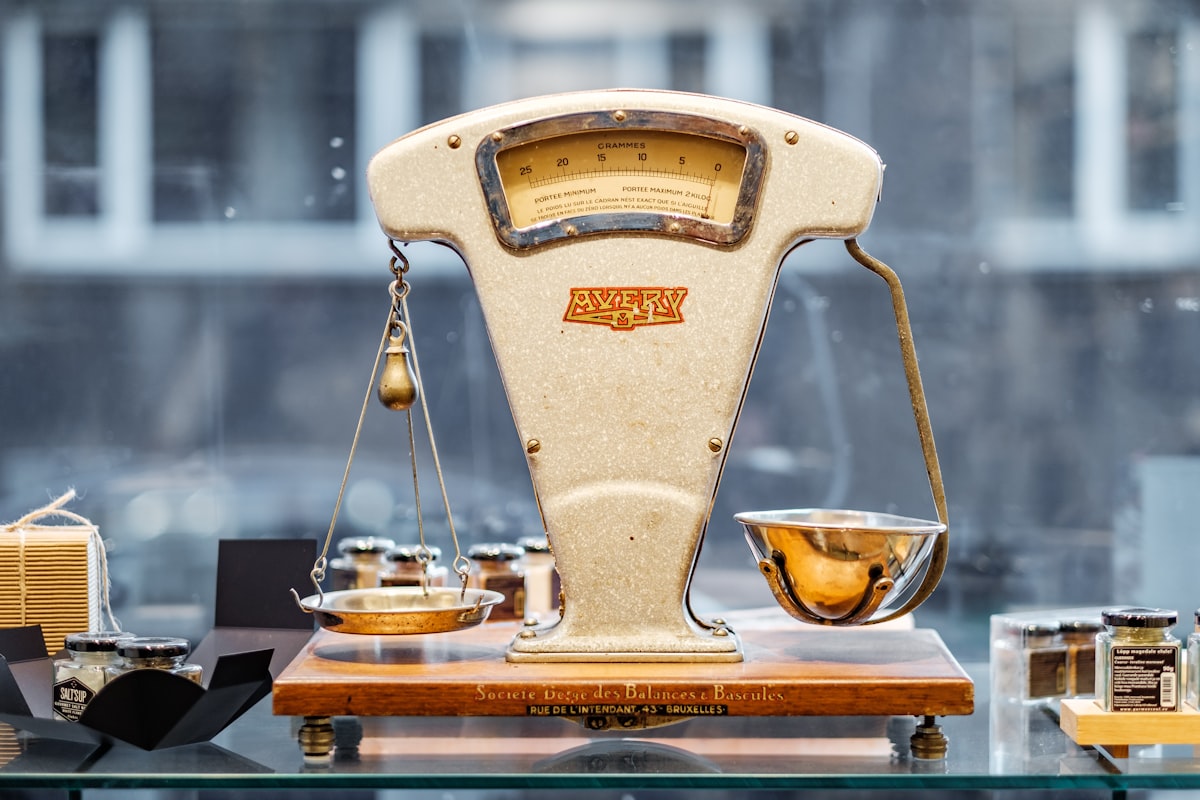
An antique brass and enamel balance scale displayed in a shop window
Photo: Piret Ilver / Unsplash

Hotel A: 700₪ a night. Hotel B: 780₪ a night. At first glance hotel A wins.

But if hotel A adds charges that the other hotel includes, the result can reverse entirely.

So do not compare price against price. Compare total cost against total cost.

This is also why an FTC economic issue paper in the United States found that separating a resort fee from the room rate, without disclosing the total price first, increases consumers' search costs and cognitive costs, and is unlikely to produce benefits that offset the likely harm.

Put simply: the more the price is split into parts, the harder it is to know which deal is actually cheaper. We went into that in why the same hotel is a different price on every site.

Before you book a hotel, keep this list

The handles of three suitcases in silhouette in a hotel lobby, with sunlit trees and a street behind them
Photo: Braden Wagner / Unsplash

Ten small checks that can prevent one large surprise at reception.

The ten checks

Total price for the whole stay.

Taxes.

Mandatory hotel charges.

Deposit or credit hold.

Parking.

Breakfast.

Early check-in.

Late check-out.

Luggage storage.

Cancellation policy and the payment methods the hotel accepts.

Sherry’s Take

Not one of these checks takes more than a minute. The surprise they prevent can cost hundreds.

So this time, before you press book, ask one more question. Not just what the hotel costs, but: what will I actually pay, and how much credit will I need when I arrive?

Already found a hotel? Ask Sherry what she finds about it before you book.

Because the best surprise on a holiday is a room upgrade. Not a charge you did not know about.

Do not book before you have asked Sherry.

Common questions about hotel deposits and fees

Why does the hotel ask for a credit card if I already paid in advance?
To place a pre-authorization hold, intended to cover possible expenses during the stay: the minibar, room service, charges to the room or damage. In most cases this is not a charge but an amount reserved for the hotel, and it should be released after check-out if no extra charges were incurred.
How much does a hotel usually hold?
Consumer sources describe a typical range of roughly $50 to $200 per night, on top of the room rate, though the amount varies enormously between hotels and can be far higher at luxury properties. On a five-night stay with a $150 nightly hold, that is $750 temporarily tied up on your credit line.
When does the money come back, and how do credit and debit differ?
On a credit card the hold reduces your available credit and typically clears within about a day of check-out. On a debit card the hold can tie up real money in the account, and returning it may take roughly three to ten business days depending on the bank. So do not arrive on holiday with a credit line or balance that covers exactly the price of the hotel.
What is the difference between a deposit and a resort fee?
A deposit is a hold that is supposed to be released, so it is not necessarily a cost. A resort fee is an actual charge the hotel collects for facilities and services, and it is usually not optional. An analysis of 160 hotels found an average of roughly $33 per night, in a range of about $15 to $50 a day.
Does a resort fee have to be included in the displayed price?
In the United States, an FTC rule that took effect in May 2025 requires short-term lodging businesses to display the total price, including mandatory fees, clearly and more prominently than any other pricing term. That said, the rule does not turn every holiday expense into part of the room rate, and local taxes collected at the hotel still need checking.
Is it better to pay for early check-in or to leave the luggage?
Usually it is worth checking luggage storage first. At many hotels you can leave bags before check-in or after check-out, sometimes free of charge, whereas early check-in and late check-out are usually chargeable and are not guaranteed. If all you need is somewhere for the bags rather than a room, that question is worth money.

Looking for a hotel? Check the total cost here

By Sherry AI

Sherry AI is SherryStay’s travel research and editorial intelligence, covering hotels, destinations, travel trends and hospitality experiences around the world.

Source: SherryStay.com

Share this article

Published: · Updated: